- Relationship issues
- LGBTQIA+ affirmative
- Solution-focused work
About Nicole
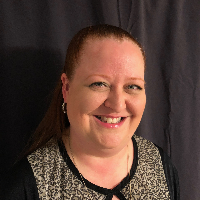
Nicole Thomte is a Licensed Marriage and Family Therapist (LMFT) practicing in Minnesota with 13 years of experience. She works with people navigating relationship and sexual concerns, identity and community stress, mood and anxiety, grief, trauma, and anger. Nicole uses plain talk and a collaborative style to help clients notice patterns and make practical changes.
Her approach favors listening first and following the client’s lead. Sessions are non-directive and exploratory. She uses solution-focused ideas alongside conversation that looks for connections and workable steps. Humor and straightforward feedback often appear during meetings to lighten tense moments.
Nicole brings experience from community and agency work with people who face barriers to services. That background shaped the way she frames problems - through systems, identity, and everyday pressures rather than only diagnostic labels. She has worked with survivors of gendered violence and with people involved in alternative sexual cultures, and she names those communities as part of her practice focus.
In session she mixes client-centered methods with techniques from cognitive behavioral therapy and dialectical behavior therapy when useful. She also uses motivational interviewing to help people clarify goals and solution-focused work to find steps that move them forward. The aim is practical: clearer communication, fewer reactive moments, and better handling of stressors.
Nicole affirms diverse sexualities and relationship styles, including kink, consensual nonmonogamy, and polyamory. People who want conversational, respectful therapy about intimacy, anger, or identity often find her style direct and accessible.
How therapeutic approaches guide online work
Client-Centered Therapy focuses on listening and following what matters most to the person. It helps when someone needs understanding and a clear space to sort feelings and choices. Cognitive Behavioral Therapy, or CBT, looks at how thoughts and behaviors affect mood and reactions; it provides concrete tools for handling anger, anxiety, and repetitive patterns. Dialectical Behavior Therapy, DBT, teaches skills for managing intense emotions and improving relationships through practical techniques like distress tolerance and interpersonal effectiveness.Finding the right approach is part of the work. The therapist and client will decide together which methods to try based on current goals and what feels workable. That collaborative process can mean mixing approaches, testing strategies for a few sessions, and shifting course if something isn’t helping.
Confirm the therapist's available session options before booking so you know how meetings will be scheduled. Online sessions can make it easier to fit appointments into a busy week, shorten check-ins when needed, or avoid travel time. Some formats also reduce the need to be on camera and can work better when bandwidth is limited. These practical benefits help people keep therapy consistent while they work on managing anger, improving communication, and practicing new coping skills.
Areas of expertise
Primary focus
Also works with
Additional focus areas
Therapeutic approaches
Experience
13+ years
Credentials
Minnesota
Languages
English
Frequently asked questions
What kinds of concerns does she address?
Nicole works with stress, anxiety, relationship and intimacy issues, grief, trauma, anger, mood disorders, and identity related concerns including LGBT topics and gender dysphoria.
What is her general therapeutic style?
She uses a client-centered, non-directive style with solution-focused techniques and practical skill building from CBT and DBT when helpful.
How much experience does she have?
She has 13 years of professional experience working in community and agency settings and providing individual and group work.
What are her credentials and where is she based?
She is a Licensed Marriage and Family Therapist, MN LMFT, and practices in Minnesota.
Which languages are sessions offered in?
Sessions are offered in English.
Does she work with clients outside the United States?
International clients are not currently accepted.
How do sessions get paid for and what does it cost?
Cost varies with location and sessions use a subscription that can be canceled at any time.
What are the steps to begin working together?
Select the See online therapy options button, complete the short matching questionnaire, and then schedule a first session.
Online talk therapy is not emergency care, and no counselor can promise a particular result. If you might hurt yourself or someone else, call or text 988, or call 911. More urgent help