- CBT techniques
- Mindfulness practice
- Attachment focus
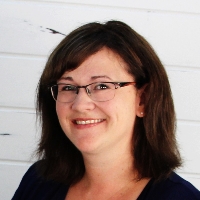
About Pamela
Pamela (Pam) Skon is a Licensed Independent Clinical Social Worker (LICSW) and a Licensed Clinical Social Worker (LCSW) with 12 years of experience. She works with adults dealing with stress, anxiety, trauma and abuse, depression, bipolar disorder, addictions, anger, and related concerns. Sessions are practical and straightforward, aimed at helping people manage strong feelings and everyday pressures.
Pamela blends several common counseling styles to match what each person needs. She uses cognitive-behavioral techniques to identify thinking patterns that keep problems going. She also draws on client-centered ideas to focus on what matters most to the person in front of her.
Her background includes a Master’s Degree in Social Work with an emphasis in counseling, completed in 2009. She holds a WA LICSW and an ID LCSW and has spent years supporting people with depression, anxiety, self-esteem issues, and addiction. Pamela has also worked with people who have experienced physical trauma or emotional abuse.
In sessions she listens, asks questions, and tries practical exercises that fit daily life. That can mean trying new ways to respond to anger, testing small behavior changes, or practicing mindfulness skills to reduce reactivity. The focus is on tools that can be used between appointments.
People who come for help with relationship strain, parenting stress, grief, career pressure, or life transitions will find concrete strategies and step-by-step suggestions. Pamela encourages regular check-ins to review what is working and to adjust the plan as needed.
How Pamela uses therapeutic approaches online
Acceptance and Commitment Therapy (ACT) helps people notice difficult thoughts and feelings without getting driven by them. Pamela uses ACT strategies to help people make room for emotion while still taking steps toward what matters. Cognitive Behavioral Therapy (CBT) focuses on the link between thoughts, feelings, and actions and is useful for anxiety, depression, and anger management. Pamela uses CBT exercises to test unhelpful thoughts and try different behaviors.Finding the right approach is part of the work. Pamela works collaboratively to choose methods that match a client's goals and preferences. She will check in regularly and adjust techniques based on what helps in real life.
Confirm session formats before booking, as the biography does not list formats. Online sessions can make it easier to fit therapy into busy days, allow shorter check-ins when needed, or remove the commute so appointments can happen between obligations. Discussing which approaches and session options fit your schedule is part of the initial matching process.
Areas of expertise
Primary focus
Also works with
Additional focus areas
Therapeutic approaches
Experience
12+ years
Credentials
Washington, Idaho
Languages
English
Frequently asked questions
What kinds of problems does she help with?
She works with stress, anxiety, trauma and abuse, depression, bipolar disorder, addictions, anger, and many related issues such as sleep problems and parenting strain.
What is her therapeutic style?
Her style mixes cognitive-behavioral, client-centered, and attachment-informed approaches in an interactive way that focuses on practical steps and skills.
How much experience does she have?
She has 12 years of clinical experience and has practiced with people facing mood disorders, trauma, addiction, and self-esteem challenges.
Where is she licensed and based?
She holds a WA LICSW and an ID LCSW and is located in Idaho.
Which languages are offered?
Sessions are offered in English.
Does she work with international clients?
International clients are not currently accepted.
How much do sessions cost?
Cost varies with location; sessions use a subscription that can be canceled at any time.
How do I begin a first appointment?
Use the See online therapy options button, complete a short matching questionnaire, and schedule your first session.
Online talk therapy is not emergency care, and no counselor can promise a particular result. If you might hurt yourself or someone else, call or text 988, or call 911. More urgent help