- CBT techniques
- Client-centered work
- Solution-focused goals
About Patricia
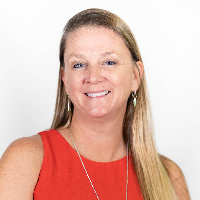
Patricia Adams is a Florida LMHC with 15 years of clinical experience. She trained at the University of South Florida and has worked in community settings, schools, and independent practice. She helps people facing stress, anxiety, trauma and abuse, grief, depression, and anger concerns.
Patricia uses straightforward methods in sessions. She listens first, then helps people name what matters most. She draws on cognitive behavioral tools to spot unhelpful thoughts. She also uses client-centered and solution-focused strategies to set short-term goals and build practical skills.
Her background includes work with parenting and family challenges, adoption and foster care issues, and caregiver stress. She has supported people dealing with addiction, mood disorders, and post-traumatic stress. Patricia also addresses feelings of emptiness, guilt, shame, and the stress of life changes.
In a typical session she helps people identify patterns, practice different responses, and try small experiments between meetings. She uses simple exercises to manage anger and anxiety, and to improve communication around difficult topics. Sessions include focused problem-solving and moments to reflect on what worked.
Patricia expects therapy to be collaborative. She helps people set clear goals and checks progress as they go. If someone wants a practical plan for managing anger, stress, or grief, she will work with them to build it step by step.
How Patricia Uses Evidence-Based Methods Online
Patricia commonly applies cognitive behavioral therapy and client-centered therapy in her work. CBT focuses on identifying unhelpful thoughts and testing new behaviors to reduce anger and anxiety. Client-centered therapy emphasizes listening and helping the person name their own goals and values.She also draws on solution-focused techniques to set practical, short-term goals. Those methods help when someone wants quick, concrete steps for anger management or coping with life changes. Together these approaches aim to build skills and small changes that add up over time.
Finding the right approach is part of the first sessions. Patricia will work collaboratively to decide which techniques fit a person's needs, goals, and preferences. That means trying options, checking what helps, and adjusting the plan as they go.
The practical benefits of online work are about fitting therapy into everyday life. Confirm the session formats before booking to know how meetings are scheduled. Online options can make it easier to have shorter check-ins, schedule appointments around work, or avoid travel time. Patricia will help clients shape sessions to match their routines and priorities.
Areas of expertise
Primary focus
Also works with
Additional focus areas
Therapeutic approaches
Experience
15+ years
Credentials
Florida
Languages
English
Frequently asked questions
What concerns does she address related to anger?
She works with anger alongside stress, anxiety, grief, trauma, and depression. Anger is approached as one of several emotional responses to be understood and managed.
What is her general approach in sessions?
Her style is practical and goal oriented, using client-centered listening with CBT and solution-focused tools. Sessions often mix short-term problem solving with skills practice.
How much clinical experience does she have?
She has 15 years of experience working in schools, non-profits, and independent practice. That experience includes work with trauma, parenting issues, and mood concerns.
What are her credentials and where is she based?
She is a Florida LMHC and practices in Florida. The credential is listed as LMHC.
Which languages are supported for sessions?
Sessions are offered in English.
Does she work with international clients?
International clients are not currently accepted.
How are costs handled for sessions?
Cost varies with location and sessions use a subscription that can be canceled at any time. Exact pricing depends on the chosen subscription level.
How do I begin working with her?
Select the See online therapy options button, complete a short matching questionnaire, and schedule a first session. That starts the process of arranging the initial meeting.
Online talk therapy is not emergency care, and no counselor can promise a particular result. If you might hurt yourself or someone else, call or text 988, or call 911. More urgent help