- Client-centered work
- CBT for patterns
- Mindfulness practice
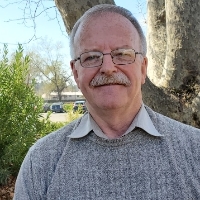
About Patrick
Patrick O'Leary is a California LMFT with 41 years of clinical experience. He works with adults facing addiction, relationship strain, anger, anxiety, depression, and other life challenges. His practice focuses on practical steps people can use day to day.
He draws on client-centered work to keep the conversation focused on each person's experience. He also uses cognitive behavioral tools to identify patterns that feed anger, anxiety, or low mood. Mindfulness techniques are used to steady attention and reduce reactivity in tense moments.
Patrick often helps people untangle family and relationship problems. He addresses topics such as communication difficulties, codependency, fatherhood issues, and problems tied to grief or trauma. He also supports work-related stress, midlife change, and the emotional fallout of chronic illness such as cancer.
Sessions tend to explore what happens right before anger shows up and what people can do instead. He helps clients build clearer communication, set boundaries, and practice calmer responses when frustration rises. There is attention to patterns from attachment and to how past hurts influence present reactions.
His method is pragmatic and focused on skills. Clients learn small, repeatable practices they can try between sessions. Progress is discussed in concrete terms, with adjustments made as needed to fit real life demands.
How his approaches translate to online work
Client-Centered Therapy focuses on listening to each person's experience and following their lead. Online sessions using this approach let the therapist and client talk through what matters most and set realistic next steps for handling anger or relationship strain.Cognitive Behavioral Therapy (CBT) looks at the thoughts and behaviors that keep anger and anxiety going. In remote sessions, CBT is used to spot unhelpful patterns, try short experiments, and practice new responses between meetings.
Mindfulness Therapy teaches simple attention and breathing practices to reduce reactivity. These techniques can be practiced during or between sessions to help steady emotions when frustration rises.
Choosing the right approach is part of the work. The therapist will discuss goals, try methods, and adjust based on what helps most. That collaboration aims to match techniques to the client's needs and preferences.
Confirm which session formats are offered before booking, as the biography does not list them. Online work can make sessions easier to fit into a busy day and can allow shorter check-ins when needed. It can also let people use audio-only meetings if camera time is difficult, or schedule sessions around work and family commitments.
Areas of expertise
Primary focus
Also works with
Additional focus areas
Therapeutic approaches
Experience
41+ years
Credentials
California
Languages
English
Frequently asked questions
What kinds of concerns does he address?
He works with adults on addictions, anger, relationship and intimacy issues, anxiety, depression, grief, parenting concerns, and related problems.
How would you describe his therapeutic style?
His style is practical and person-focused, using client-centered conversation alongside CBT and mindfulness to reduce reactivity and build skills.
How much experience does he have?
He has 41 years of clinical experience as a therapist working with a wide range of life transitions and mood concerns.
What are his credentials and where is he based?
He is an LMFT licensed in California and practices from that state.
Which languages are sessions offered in?
Sessions are offered in English only.
What session formats are available?
The original biography does not list specific session formats; confirm current session options before booking.
How are fees handled?
Cost varies with location and sessions use a subscription that can be canceled at any time.
How do I begin working with him?
Select the See online therapy options button, complete a short matching questionnaire, and schedule a first session.
Online talk therapy is not emergency care, and no counselor can promise a particular result. If you might hurt yourself or someone else, call or text 988, or call 911. More urgent help