- CBT methods
- Mindfulness practice
- Practical steps
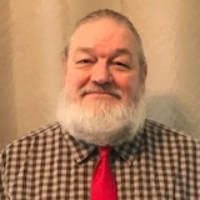
About Paul
Paul Pangburn Jr. is a Licensed Clinical Social Worker (LCSW) in Pennsylvania with 20 years of clinical experience. He moved into social work after a long career in the chemical industry and combines that life experience with clinical practice. He works with stress, anxiety, anger, self-esteem, depression, relationships, trauma and abuse, and coping with life changes.
He believes therapy helps people discover themselves and clarify what they need. His background led him to value straightforward conversation and practical steps. Sessions focus on identifying patterns, testing small changes, and tracking what works over time.
Paul uses Cognitive Behavioral Therapy (CBT) as a foundation and draws on Mindfulness Therapy and elements from other approaches. That means sessions often include exploring thoughts and behaviors, practicing present-moment techniques, and trying specific strategies between meetings. He aims to help people find clearer thinking and calmer reactions.
He describes his role as helping clients uncover their own answers rather than giving fixed solutions. People can expect a collaborative process that looks at real-life problems and small, manageable changes. He also addresses issues such as aging and geriatric concerns, divorce and separation, guilt and shame, infidelity, isolation and loneliness, life purpose, men’s issues, midlife crisis, self-love, and social anxiety.
Paul works in English and practices in Pennsylvania. His experience across different careers informs a practical, matter-of-fact approach to handling hard emotions and rebuilding routine patterns.
How CBT and Mindfulness come into online sessions
Paul uses Cognitive Behavioral Therapy to help people spot unhelpful thoughts and change the behaviors that keep problems going. In plain terms this often means tracking thought patterns, testing new responses, and practicing small behavior changes between visits.He also uses Mindfulness Therapy tools that teach simple attention and breathing practices. These techniques are aimed at managing strong emotions like anger and anxiety by training awareness of the present moment and bodily reactions.
Choosing the right approach is part of therapy. Paul works collaboratively to match techniques to a person's goals, needs, and day-to-day limits. That might mean leaning into CBT tasks one week and practicing mindfulness exercises the next, based on what the client finds useful.
The biography does not list specific online formats, so confirm available session types before booking. Online work can make it easier to fit sessions into a busy schedule, shorten check-ins when time is tight, or avoid travel time. Licensed professionals can use these options to keep momentum between sessions and apply strategies in everyday settings.
Areas of expertise
Primary focus
Also works with
Additional focus areas
Therapeutic approaches
Experience
20+ years
Credentials
Pennsylvania
Languages
English
Frequently asked questions
What kinds of problems does he help with?
He works with stress, anxiety, anger, self-esteem, depression, relationship issues, trauma and abuse, and coping with life changes.
How would you describe his therapy style?
He uses a practical, conversational style that focuses on identifying patterns and testing small changes between sessions.
How much experience does he have?
He has 20 years of clinical experience as a Licensed Clinical Social Worker since 2005, following a long career in industry.
What are his credentials and where does he practice?
He is a PA LCSW and practices in Pennsylvania.
Can sessions be conducted in other languages or internationally?
Sessions are offered in English and he does not accept international clients.
What session formats are offered?
Please confirm current session format options before booking, as the biography does not specify exact formats.
How are costs handled for sessions?
Cost varies with location and sessions use a subscription that can be canceled at any time.
What should I do to get started?
Select the See online therapy options button, complete a short matching questionnaire, and schedule a first session.
Online talk therapy is not emergency care, and no counselor can promise a particular result. If you might hurt yourself or someone else, call or text 988, or call 911. More urgent help