- Client-Centered Therapy
- Cognitive Behavioral Therapy
- Motivational Interviewing
About Paul
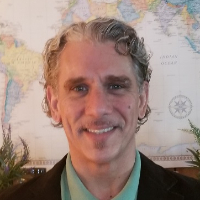
Paul Pasternak is a Licensed Mental Health Counselor (LMHC) in New York with 25 years of experience. He works with people dealing with anger, stress, anxiety, depression, addiction, relationship troubles, parenting challenges, grief, and life changes. He also focuses on issues such as caregiver stress, aging concerns, control struggles, and impulsivity.
He approaches therapy from a client-centered perspective. That means the client guides what changes they want and Paul helps map a way forward. He uses Motivational Interviewing to build readiness for change and Cognitive Behavioral Therapy to address thinking and behavior patterns.
Sessions begin with a clear care plan developed together. The plan targets the most pressing problems and sets specific goals. Progress is tracked and the plan is adjusted when needed to keep work practical and focused.
In sessions Paul talks through real-life situations and practical steps. He works on skills for handling anger, reducing stress, managing cravings, improving communication, and coping with loss. He also supports people navigating divorce, fatherhood concerns, and isolation.
His approach pays attention to past trauma when it matters and uses a strengths-based stance. The therapist emphasizes consistent effort and hopes clients can build changes that last. Paul practices in New York and conducts work in English.
Therapeutic approaches and working online
Paul combines Client-Centered Therapy with Cognitive Behavioral Therapy and Motivational Interviewing. Client-Centered Therapy focuses on listening and following the client’s priorities so sessions reflect what the person wants to change. Cognitive Behavioral Therapy looks at thoughts and behaviors and teaches practical skills to reduce anger, worry, or low mood. Motivational Interviewing helps people find and strengthen their own reasons to change, which is useful for addiction or when motivation is low.Finding the right approach is part of the work. The therapist will collaborate with the client to decide which methods fit best for their goals, needs, and preferences. That plan can be adjusted as progress is made or as new issues emerge.
Confirm current session options before booking to know which online formats are offered. Online work can make it easier to fit therapy into a busy schedule, allow shorter check-ins when needed, and reduce travel time. It can also make sessions more practical for someone dealing with work stress, caregiving demands, or mobility concerns. Licensed professionals can guide you on how to arrange sessions so they fit into everyday life.
Areas of expertise
Primary focus
Also works with
Additional focus areas
Therapeutic approaches
Experience
25+ years
Credentials
New York
Languages
English
Frequently asked questions
What kinds of concerns does he help with?
He works with anger, stress, anxiety, depression, addiction, relationship and parenting issues, grief, and adjusting to life changes.
How would you describe his therapeutic style?
He uses a client-centered, strength-based approach where the client guides change and the therapist supports goal-setting and progress.
How much experience does he have?
He has 25 years of experience working in varied settings with people facing a wide range of concerns.
What credentials and location are listed?
He is a Licensed Mental Health Counselor (LMHC) licensed in New York and practices in New York.
Which languages are sessions offered in?
Sessions are offered in English.
What session formats are used?
Please confirm current session options before booking so you know which formats are available for your situation.
How does pricing work for sessions?
Cost varies with location; sessions use a subscription that can be canceled at any time.
How do I begin working with him?
Select the See online therapy options button, complete a short matching questionnaire, and schedule a first session.
Online talk therapy is not emergency care, and no counselor can promise a particular result. If you might hurt yourself or someone else, call or text 988, or call 911. More urgent help