- CBT methods
- DBT skills
- Client-centered care
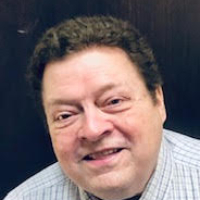
About Philip
Dr. Philip Townsend is a Texas psychologist (TX Psychologist 21868) with 45 years of clinical experience. He works with people facing stress, anxiety, depression, grief, addiction, anger, relationship and parenting struggles. He also helps with ADHD, bipolar concerns, trauma and intimacy-related issues.
He trained in clinical psychology at the University of Houston and began clinical work during military service. Early roles included providing psychological services at West Point and running a mental hygiene clinic in Vietnam. After the military he helped start adolescent psychological services for the Texas Rehabilitation Commission and later built a independent practice focused on psychotherapy.
His approach centers on identifying strengths and building practical tools. He draws from cognitive behavioral therapy, dialectical behavior therapy, client-centered methods, and relationship-focused work. Sessions often focus on clear action plans that map to personal goals.
Philip has experience consulting with public school districts, working with teachers and counselors to develop programs for special-needs students. That background influences his interest in communication, family problems, and coping with life changes.
In sessions he aims for straightforward communication and honest feedback rather than reassurance for its own sake. He emphasizes improving self-esteem through direct conversation and consistent effort. People who want clear strategies and long-term skills may find this style practical and goal-directed.
How his approaches translate to online work
Dr. Townsend commonly uses cognitive behavioral therapy and dialectical behavior therapy in different ways. CBT focuses on identifying unhelpful thoughts and testing them against real-life evidence, which helps with anxiety, depression and anger-related patterns. DBT emphasizes practical skills such as emotion regulation and distress tolerance, which can help when strong feelings feel overwhelming.Client-centered work means the therapist listens closely and helps shape goals based on what matters to the individual. He treats figuring out the right mix of approaches as a collaborative process and will work with clients to decide which methods to emphasize based on goals and preferences.
If you are exploring online sessions, confirm the available session formats before booking since specific formats were not listed in the biography. Online appointments can make it easier to fit therapy into a busy schedule, allow shorter check-ins when needed, reduce travel time, and avoid being on camera when you prefer. The therapist and client will discuss practical arrangements and adapt the approach so it fits everyday life and goals.
Areas of expertise
Primary focus
Also works with
Additional focus areas
Therapeutic approaches
Experience
45+ years
Credentials
Texas
Languages
English
Frequently asked questions
What kinds of concerns does he address?
He works with stress, anxiety, depression, relationship and family issues, anger, addictions, trauma, grief, parenting concerns, ADHD and related problems.
How would you describe his therapeutic style?
He focuses on identifying strengths and building practical tools. He uses action plans derived from CBT, DBT and client-centered work.
How much clinical experience does he have?
He has 45 years of clinical experience, including military psychological work and decades in independent practice and school consultation.
What are his credentials and where is he based?
He is a Texas psychologist, credentialed as TX Psychologist 21868, and practices in Texas.
Which languages are offered for sessions?
Sessions are offered in English.
Does he accept international clients?
He does not accept international clients at this time.
How are fees and billing handled?
Cost varies with location; sessions use a subscription that can be canceled at any time.
What do I do to begin working together?
Select the See online therapy options button, complete a short matching questionnaire, and schedule a first session.
Online talk therapy is not emergency care, and no counselor can promise a particular result. If you might hurt yourself or someone else, call or text 988, or call 911. More urgent help