- Client-centered methods
- Cognitive behavioral tools
- Mindfulness practices
About Rachael
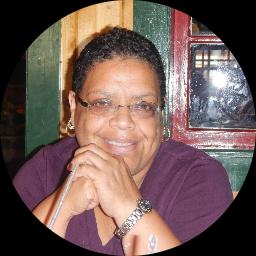
Rachael Figueroa is a Licensed Clinical Social Worker (LCSW) in New York with 25 years of experience. She works with adults who are dealing with stress, anxiety, grief, anger, low self-esteem, depression, and addictions. Sessions are offered in English and Spanish.
Rachael focuses on practical, conversational work rather than jargon. She listens to what people say about their frustrating moments and helps them notice what leads up to those reactions. That can mean looking at thought patterns, learning calming practices, or trying different ways to respond in heated moments.
Her approach draws from client-centered methods and cognitive behavioral ideas. She helps people identify unhelpful thoughts and then tests different responses in real life. Mindfulness practices are used to slow down strong feelings and bring attention back to the present.
Emotionally-focused techniques are part of the work when relationships and attachment issues are involved. Motivational interviewing helps when people want to change behaviors like substance use or avoidant patterns. Rachael adapts the conversation to the person's goals and pace.
She has also supported people facing additional challenges such as chronic illness, caregiver stress, adoption and foster care concerns, and codependency. Rachael asks practical questions early on so sessions focus on what matters most to the client.
To begin, people are asked to complete a short matching questionnaire and schedule a first session. The practice uses a subscription model that can be canceled at any time, and fees vary by location.
Approach and how online sessions can fit your life
Client-centered therapy is about listening and working from the client's perspective. The therapist follows the person's lead and asks questions that clarify goals and values, which helps when anger comes from feeling misunderstood or controlled.Cognitive Behavioral Therapy (CBT) focuses on how thoughts influence feelings and actions. It uses simple exercises to notice thought patterns and to try new responses, which can reduce impulsive reactions to stress and frustration.
Emotionally-Focused Therapy (EFT) looks at how emotions shape relationships and attachment. It can be useful when anger is tied to hurt, loss, or repeated relationship patterns.
Finding the right approach is part of the work. Rachael will discuss these methods with each person and decide together which to try based on goals and preferences. That collaborative process helps shape practical next steps and short exercises between sessions.
Session formats are not listed in the biography, so confirm current options before booking. Online sessions can make it easier to fit therapy into a busy week, allow for shorter check-ins when needed, and remove travel time. They also let people try mindfulness and breathing practices during a normal day and bring real-life situations into the session for immediate discussion.
Areas of expertise
Primary focus
Also works with
Additional focus areas
Therapeutic approaches
Experience
25+ years
Credentials
New York
Languages
English, Spanish
Frequently asked questions
What concerns does she work with?
Rachael works with stress, anxiety, grief, anger, self-esteem, depression, addictions, sleeping problems, compassion fatigue, and ADHD among other concerns.
What is her therapeutic style?
She uses a conversational, practical style drawing on client-centered work, CBT, EFT, mindfulness, and motivational interviewing to address thoughts, feelings, and behaviors.
How much experience does she have?
Rachael has 25 years of professional experience in social work and therapeutic practice.
What credential does she hold and where is she based?
She is a Licensed Clinical Social Worker (LCSW) licensed in New York and practices from that location.
Which languages are supported?
Sessions are offered in English and Spanish.
Does she work with international clients?
International clients are not currently accepted.
How are session costs handled?
Costs vary with location and sessions use a subscription that can be canceled at any time.
What are the steps to get started?
Use the See online therapy options button, complete a short matching questionnaire, and schedule a first session.
Online talk therapy is not emergency care, and no counselor can promise a particular result. If you might hurt yourself or someone else, call or text 988, or call 911. More urgent help