- EMDR
- Grief and loss
- Stress and anxiety
About Rachel
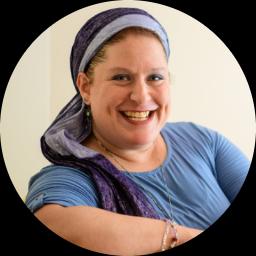
Rachel Weinstein is an Illinois Licensed Clinical Social Worker (LCSW) with 22 years of experience. She works with adults who want to manage stress, anxiety, anger, grief, relationship and family strains, and issues related to LGBTQ+ identity. Sessions are offered in English and Hebrew and draw on her long experience in clinical and medical settings.
She has worked in independent practice and in nursing homes, hospitals, and hospice settings. That mix of environments shaped a practical way of working. Sessions focus on clear goals, skills people can use between meetings, and talking through what gets in the way of change.
Rachel uses Eye Movement Desensitization and Reprocessing, commonly called EMDR, when it fits the concern. She explains what to expect and guides each step so people can decide if it feels right for them. EMDR is used to reduce the intensity of painful memories and to relieve symptoms linked to trauma and abuse.
In therapy she helps people name the patterns that fuel anger and resentment. Then she helps them try different strategies - from breathing and grounding to revising old beliefs - to reduce reactivity and improve communication. She also helps people handle grief, caregiver stress, chronic illness, and life transitions.
Her approach emphasizes straightforward feedback and practical tools. New clients complete a short questionnaire, then schedule a first session. Fees vary by location and sessions use a subscription that can be canceled at any time.
How Rachel uses EMDR and practical methods online
EMDR, or Eye Movement Desensitization and Reprocessing, is offered as one approach. It involves recalling distressing memories while using guided bilateral stimulation so the memory loses some of its intensity. Clinicians use it for trauma, abuse, and painful memories that feed ongoing anger or avoidance.Alongside EMDR, Rachel applies straightforward skills work - breathing exercises, grounding, and communication practice - to reduce reactivity and improve interactions. These methods help when anger shows up at work, home, or in relationships by giving concrete tools to try between sessions.
Finding the right approach is collaborative. Rachel will discuss options, explain what each approach involves, and help pick what fits a person's needs, goals, and preferences. Clients decide together whether to try EMDR, skills work, or both.
Session formats are not listed in the biography, so confirm current session options before booking. Online sessions can make it easier to fit therapy into a busy week, reduce travel time, and allow short check-ins when needed. They also let people work with a licensed professional from their region without changing their daily routine.
Areas of expertise
Primary focus
Also works with
Additional focus areas
Therapeutic approaches
Experience
22+ years
Credentials
Illinois
Languages
English, Hebrew
Frequently asked questions
What concerns does she address related to anger?
Rachel works with anger alongside stress, relationship strain, family issues, grief, trauma, and related concerns.
What is her therapy style like?
She uses practical, goal-focused sessions with skills you can try between meetings and clear feedback during sessions.
How much clinical experience does she have?
She has 22 years of experience in independent practice and medical settings including nursing homes, hospitals, and hospice.
What credential and location does she hold?
She is an Illinois Licensed Clinical Social Worker (LCSW) based in Illinois.
Which languages are supported in sessions?
Sessions are offered in English and Hebrew.
Can people outside the United States work with her?
International clients are not currently accepted.
How are fees handled?
Costs vary with location; sessions use a subscription model that can be canceled at any time.
How do I begin working with her?
Select the See online therapy options button, complete a short matching questionnaire, and schedule a first session.
Online talk therapy is not emergency care, and no counselor can promise a particular result. If you might hurt yourself or someone else, call or text 988, or call 911. More urgent help