- Client-Centered Therapy
- Cognitive Behavioral Therapy
- Motivational Interviewing
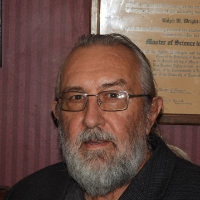
About Ralph
Ralph Murphy is a Licensed Clinical Social Worker (LCSW) in North Carolina with 30 years of clinical experience. He works with people facing stress, anxiety, depression, trauma and abuse, parenting strains, relationship issues, addiction, grief, and anger. He also supports clients dealing with adoption and foster care, autism and Asperger syndrome, and men’s issues.
Murphy earned a Master of Divinity (MDiv) and a Master of Science in Social Work (MSSW). He is a member of the Academy of Certified Social Workers (ACSW). His background includes long-term work in clinical family settings and experience with children, adolescents, and adults affected by substance use and post-traumatic stress.
In sessions he listens first and helps people identify their strengths. He encourages setting clear life goals and taking practical steps toward them. He asks about emotional, physical, intellectual, and spiritual concerns so the picture is complete.
Ralph uses straightforward methods to address patterns that keep people stuck. He draws on client-centered ideas to follow what matters most to each person. He uses cognitive behavioral techniques to spot unhelpful thoughts and try different behaviors.
He also uses motivational interviewing and solution-focused work when a client wants concrete change, like reducing substance use or managing anger more effectively. He aims to help people recognize progress and take credit for what they accomplish.
People who prefer a direct, practical approach to handling daily stressors and relationship tension may find his style useful. He asks new clients to complete a brief matching questionnaire and schedule a first session to get started.
How his approaches translate to online work
Client-Centered Therapy focuses on listening and following what matters most to the person. It helps when someone needs space to tell their story and decide what to change. Cognitive Behavioral Therapy (CBT) looks at thoughts and behaviors, then tests small experiments to reduce anxiety, improve mood, or manage anger. Solution-Focused Therapy highlights clear, short-term goals and practical steps to reach them, which can be helpful when someone wants fast, actionable change.Finding the right mix of methods is part of the work. He will collaborate with the client to pick approaches that match their needs, goals, and preferences. That means checking in about what helps, adjusting techniques, and aiming for methods the person can use between sessions.
If you plan to work online, confirm the available session formats before booking. Many people find online sessions easier to fit into a busy week, let them check in without long travel, or make shorter follow-ups more practical. Ask about session length, how scheduling works, and any requirements before you start so the format fits your routine.
Areas of expertise
Primary focus
Also works with
Additional focus areas
Therapeutic approaches
Experience
30+ years
Credentials
North Carolina
Languages
English
Frequently asked questions
What kinds of concerns does he help with?
He works with stress, anxiety, depression, trauma and abuse, parenting challenges, relationship strain, addictions, grief, and anger among other issues.
What is his general approach in sessions?
He listens and helps people identify strengths, set goals, and try practical steps. He combines client-centered listening with goal-focused techniques.
How much clinical experience does he have?
He has 30 years of clinical experience, including extensive work in family settings and with substance use and trauma-related concerns.
What are his credentials and where does he practice?
He is a Licensed Clinical Social Worker, LCSW, licensed in North Carolina and practices there.
Which languages are supported for sessions?
Sessions are offered in English.
Does he take clients outside the United States?
He does not accept international clients at this time.
How are sessions billed and what does it cost?
Cost varies with location and sessions use a subscription model that can be canceled at any time.
What is the first step to begin working together?
Use the See online therapy options button, complete a short matching questionnaire, and schedule a first session.
Online talk therapy is not emergency care, and no counselor can promise a particular result. If you might hurt yourself or someone else, call or text 988, or call 911. More urgent help