- Addictions recovery principles
- Cognitive behavioral work
- Goal focused sessions
About Randal
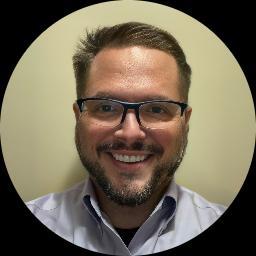
Randal Withers is a Licensed Clinical Mental Health Counselor (LCMHC) in North Carolina with 10 years of experience. He works with people who want practical change around addictions, anxiety, anger, depression, grief, relationship problems, and life transitions.
Randal approaches concerns in direct, goal-focused ways. He pays attention to how thoughts and beliefs affect behavior and mood. He often uses ideas from recovery work to help people manage cravings, reduce reactive behavior, and rebuild daily routines.
In sessions he emphasizes identifying core issues and finding clear goals. Conversations look at patterns, strengths, and obstacles. Randal mixes problem-solving with chances to notice old thinking that keeps problems going.
He draws on several clinical approaches to match what a person needs. That can mean examining how early relationships shaped current reactions, testing out new behaviors, or using structured exercises to change unhelpful thinking. Sessions aim to be practical and focused on changes that matter day to day.
Randal asks people to come ready to set goals and try steps between sessions. He frames counseling as work you do together, with concrete tasks and review of what helps. If someone wants help managing anger, addiction, or stress, he offers straightforward support and follow-through.
How his approaches translate to online work
Randal commonly uses Client-Centered Therapy and Cognitive Behavioral Therapy. Client-Centered Therapy focuses on listening and helping people identify their own goals and strengths. It helps when someone needs a steady, nonjudgmental place to talk through feelings and choices. Cognitive Behavioral Therapy (CBT) looks at how thoughts shape behavior and mood and uses specific exercises to test new ways of thinking. CBT is useful for anger, anxiety, addictions, and mood problems.Finding the right approach is part of the process. He will work with each person to decide which mix of listening, insight, and structured exercises fits their needs and goals. That choice is collaborative and can change as progress is made.
Session formats are not specified in the original biography, so confirm current online options before booking. Online work can make it easier to fit sessions into a busy week, shorten check-ins when needed, and allow flexible scheduling around work or family tasks. It also lets people use written exercises and structured worksheets between meetings to practice new skills in daily life.
Areas of expertise
Primary focus
Also works with
Additional focus areas
Therapeutic approaches
Experience
10+ years
Credentials
North Carolina
Languages
English
Frequently asked questions
What kinds of concerns does he address?
He works with stress, anxiety, addictions, anger, depression, grief, relationship problems, career issues, and related areas listed in his profile.
What is his therapeutic style like?
He uses goal-focused, practical work that looks at thinking patterns and behavior. Sessions combine problem-solving with strategies learned from recovery work.
How much clinical experience does he have?
He has 10 years of experience as a Licensed Clinical Mental Health Counselor providing care for behavioral health and recovery-related concerns.
What credential does he hold and where is he based?
He holds the LCMHC credential and practices in North Carolina.
Which languages are sessions offered in?
Sessions are offered in English.
Does he accept clients outside the United States?
He does not accept international clients at this time.
How are sessions priced?
Cost varies with location and sessions use a subscription that can be canceled at any time.
How do I begin working with him?
Select the See online therapy options button, complete a short matching questionnaire, and schedule your first session.
Online talk therapy is not emergency care, and no counselor can promise a particular result. If you might hurt yourself or someone else, call or text 988, or call 911. More urgent help