- ACT methods
- CBT techniques
- Christian-informed care
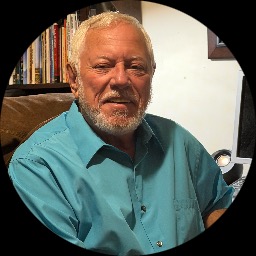
About Raymond
Raymond Dean is a Licensed Professional Counselor (LPC) practicing in Georgia with 14 years of experience. He works with people dealing with stress, anxiety, addictions, relationship strain, grief, and anger. Raymond also notes additional focus areas such as abandonment, attachment issues, and communication problems.
He draws on approaches like Acceptance and Commitment Therapy (ACT), Cognitive Behavioral Therapy (CBT), Dialectical Behavior Therapy (DBT), Emotionally-Focused Therapy (EFT), and client-centered work. In sessions he aims to help people notice unhelpful patterns, try new ways of responding, and practice skills they can use day to day. Conversations are practical and action-focused rather than theoretical.
Raymond’s background includes military service and retirement from that service. He says this experience shapes how he understands transitions, stress, and the pressures some people face after service. He also describes bringing a Christian-informed perspective when clients want that included in their work.
Clients can expect straightforward work on issues like guilt, shame, control problems, impulsivity, isolation, and coping with chronic illness or caregiving stress. He mentions helping people rebuild communication after divorce or separation and addressing money or life-purpose concerns.
Sessions aim to blend clear tools with space for conversation about meaning and values. Raymond encourages a practical focus: small changes in thinking or behavior that reduce tension and improve relationships over time.
How Raymond uses therapy approaches online
Acceptance and Commitment Therapy (ACT) helps people notice unhelpful thoughts and reconnect with values they want to act on. It is useful for anger that comes from feeling stuck or from avoidance. Cognitive Behavioral Therapy (CBT) focuses on how thoughts, feelings, and actions interact and teaches practical skills to change patterns that fuel anger and anxiety. Dialectical Behavior Therapy (DBT) adds specific skills for emotion regulation and distress tolerance when intense feelings lead to impulsive reactions.Finding the right approach is a collaborative process. Raymond will talk with each person about what feels most useful, try methods that match their goals, and adjust the plan as they learn what helps. The selection of ACT, CBT, or DBT elements is driven by the client’s needs and preferences rather than a fixed protocol.
The biography does not list explicit session formats, so confirm current options before booking. Many people choose online sessions because they fit into work breaks, reduce travel time, or allow shorter check-ins when schedules are tight. Online work can also make it easier to practice skills between sessions in everyday settings and to use written exercises or worksheets during the appointment.
Areas of expertise
Primary focus
Additional focus areas
Therapeutic approaches
Experience
14+ years
Credentials
Georgia
Languages
English
Frequently asked questions
Which anger-related problems does he address?
He works with anger tied to stress, relationship problems, grief, and impulsivity. Additional concerns include control issues and resentment that builds over time.
What is his general therapeutic style?
He uses practical, conversational sessions that mix skill practice with values-based discussion. Approaches named include ACT, CBT, DBT, EFT, and client-centered work.
How much experience does he have?
Raymond has 14 years of clinical experience as a counselor. His background includes retired military service, which he says informs his understanding of transitions and stress.
What are his credentials and where does he practice?
He is a Licensed Professional Counselor (LPC) licensed in Georgia. His practice location is listed as Georgia.
Does he work in languages other than English?
Sessions are offered in English. International clients are accepted.
What session formats does he offer?
The original biography does not list specific session formats. Confirm current session options before booking to know whether phone or video sessions are available.
How does payment and cost work?
Cost varies with location and sessions use a subscription model that can be canceled at any time. Exact rates depend on where the client is located.
How do I begin working with him?
Use the See online therapy options button, complete the short matching questionnaire, and schedule a first session. That process starts the intake and scheduling steps.
Online talk therapy is not emergency care, and no counselor can promise a particular result. If you might hurt yourself or someone else, call or text 988, or call 911. More urgent help