- ACT
- CBT
- Mindfulness
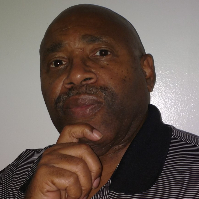
About Richard
Richard McDonald is a Licensed Clinical Mental Health Counselor (LCMHC) in North Carolina with five years of counseling experience. He works with adults who are coping with stress, anxiety, addictions, anger, low self-esteem, depression, relationship and family concerns, trauma and abuse, grief, parenting strains, bipolar and other mood concerns.
He uses straightforward conversation and practical exercises in session. He draws on approaches such as Acceptance and Commitment Therapy (ACT), Client-Centered Therapy, Cognitive Behavioral Therapy (CBT), Dialectical Behavior Therapy (DBT) and Mindfulness Therapy to help people notice patterns and try different responses. Sessions focus on skills you can use between meetings as well as on what comes up in conversation.
Richard trained in mental health counseling after completing a master’s degree in the field and holds the LCMHC credential in North Carolina. His background includes work across human services and counseling settings, and he brings that varied experience into how he structures sessions and plans next steps.
People often come with anger, impulsivity, or frustration that affects work and close relationships. In those cases he explores how thoughts, triggers, and behavior interact and practices alternatives together. He also works with addiction and trauma-related concerns using behavior-focused tools and mindfulness practice.
Sessions are practical and paced to what each person can use. He encourages small, concrete changes and reviews what helps or what needs adjusting. To begin, follow the site steps to see online therapy options, complete the brief matching questionnaire, and schedule a first session.
Therapeutic approaches for online sessions
Acceptance and Commitment Therapy (ACT) helps people notice unhelpful thoughts and choose actions that reflect their values. It can be useful when anger or avoidance get in the way of daily life. Cognitive Behavioral Therapy (CBT) focuses on the links between thoughts, feelings, and behavior and teaches practical techniques to change patterns that keep problems going. Mindfulness Therapy trains simple attention and breathing practices to reduce reactivity and increase awareness of triggers.Choosing the right approach is part of the work. The therapist collaborates with each person to try methods that fit their goals and preferences. That may mean starting with skills training from CBT, adding mindfulness practice, or using ACT strategies to clarify what matters most.
Confirm the specific session options before booking, since formats are not listed in the biography. Online work can make it easier to fit sessions into a busy week and to keep momentum between meetings. Some formats let you have a brief check-in when needed, while others allow a longer weekly session for skills practice. Discuss practical arrangements during the matching and scheduling step so sessions match your routine and bandwidth needs.
Areas of expertise
Primary focus
Also works with
Additional focus areas
Therapeutic approaches
Experience
5+ years
Credentials
North Carolina
Languages
English
Frequently asked questions
Which concerns does he help with?
He works with stress, anxiety, addictions, anger, self-esteem, depression, relationship and family concerns, trauma and abuse, grief, parenting issues, bipolar and related mood difficulties.
What is his therapeutic style?
He uses direct conversation and practical exercises, focusing on skills to use between sessions and changes that fit everyday life.
How much counseling experience does he have?
He has five years of counseling experience and a longer background in human services across different settings.
What credentials and location are listed?
He is an LCMHC, based in North Carolina.
Are sessions available in other languages or internationally?
Sessions are offered in English and he is not currently accepting international clients.
What session formats are offered?
Confirm current session options before booking as formats are not specified on this profile.
How is cost handled?
Cost varies with location and sessions use a subscription that can be canceled at any time.
How do I get started?
Select the See online therapy options button, complete the short matching questionnaire, and schedule a first session.
Online talk therapy is not emergency care, and no counselor can promise a particular result. If you might hurt yourself or someone else, call or text 988, or call 911. More urgent help