- Cognitive Behavioral Therapy
- EMDR for trauma
- First responder support
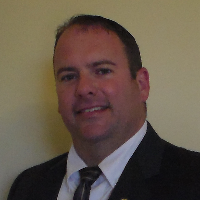
About Robert
Dr. Robert Cipriano Jr is a California Psychologist (CA Psychologist 32975) and a North Carolina Psychologist (NC Psychologist 5348) with 20 years of experience. He practices in Florida and works with concerns such as stress, anxiety, addictions, relationship and family challenges, depression, trauma, grief, sleeping problems, parenting, anger, self-esteem, and career issues.
He uses Cognitive Behavioral Therapy (CBT) across much of his work. More recently he has offered Eye Movement Desensitization and Reprocessing (EMDR) for people with trauma symptoms. Sessions focus on practical skills, changing unhelpful patterns, and addressing distressing memories when those come up.
Dr. Cipriano has provided clinical services in trauma-focused settings, including work in a trauma-intensive care unit and inpatient behavioral health units at a large trauma hospital in northern Miami-Dade County. He has led over 200 critical incident stress debriefings for staff and provided support after major incidents such as the Parkland school shooting.
He has worked closely with police and public safety agencies, serving as an in-house staff psychologist with a crisis negotiation team and helping develop psychological wellness programs for a metropolitan police department. That work included supporting first responders and offering training for active shooter dynamics and prevention.
In clinical sessions he aims to teach concrete tools people can use day to day, whether the concern is anger, panic, sleep disruption, or ongoing trauma reactions. Prospective clients should confirm current session options before booking and follow the listed steps to begin.
How CBT and EMDR can work in online sessions
CBT is a practical approach that looks at current thoughts and behaviors. In sessions the therapist and client identify unhelpful patterns, test new ways of thinking, and practice skills that reduce reactivity and improve daily functioning. CBT can help with anger, anxiety, sleep problems, and life stress.EMDR focuses on processing distressing memories that keep causing strong reactions. It uses guided, bilateral stimulation while the person recalls a troubling memory to reduce its emotional intensity. EMDR is often used for trauma symptoms and related difficulties such as nightmares or intrusive memories.
Choosing the right approach is a collaborative process. The therapist will discuss symptoms, history, and practical goals, and then recommend which methods to try first. Plans can be adjusted as work progresses so the approach fits the person's needs and preferences.
Session formats are not detailed in the biography, so confirm the available options before booking. Many people find online care helps fit sessions into busy schedules, allows shorter check-ins when needed, and can make it easier to meet between work or family commitments. Therapists who offer remote sessions also adapt techniques like CBT and EMDR for a virtual setting, focusing on skill practice, homework, and stepwise processing of memories.
Areas of expertise
Primary focus
Also works with
Additional focus areas
Therapeutic approaches
Experience
20+ years
Credentials
Florida, North Carolina, California
Languages
English
Frequently asked questions
What kinds of problems does he help with?
He works with stress, anxiety, addictions, relationship and family concerns, depression, trauma and abuse, grief, sleep problems, parenting issues, anger, self-esteem, career matters, and related areas.
What approaches does he use in sessions?
He commonly uses Cognitive Behavioral Therapy (CBT) and has recently been offering Eye Movement Desensitization and Reprocessing (EMDR) for trauma-related symptoms.
How much clinical experience does he have?
He has 20 years of experience working in clinical and trauma-focused settings, including hospitals and police wellness programs.
What are his credentials and where is he based?
He is listed as CA Psychologist 32975 and NC Psychologist 5348 and practices in Florida.
Can sessions be conducted in other languages or with international clients?
Sessions are offered in English and international clients are not currently accepted.
Which session formats are used for appointments?
Session formats are not specified here; please confirm the current session options before booking.
How are fees handled?
Cost varies with location and sessions use a subscription that can be canceled at any time.
What do I do to start a first session?
Select the See online therapy options button, complete the short matching questionnaire, and schedule a first session.
Online talk therapy is not emergency care, and no counselor can promise a particular result. If you might hurt yourself or someone else, call or text 988, or call 911. More urgent help