- CBT strategies
- Mindfulness practice
- Goal focused work
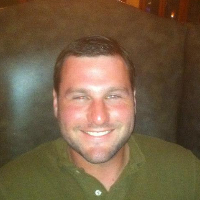
About Robert
Robert Sibley is a Licensed Clinical Mental Health Counselor (LCMHC) in New Hampshire with six years of clinical experience. He works with adults on problems such as anxiety, depression, stress, grief, anger, sleep issues, and struggles with self-esteem and motivation. He also helps people facing career stress, relationship and intimacy-related concerns, ADHD, and compassion fatigue.
Sibley uses straightforward, skills-based approaches to help people manage upsetting thoughts and behavior. He leans on Cognitive Behavioral Therapy to identify unhelpful thinking and to build practical coping skills. He also uses client-centered and solution-focused methods to set clear goals and develop steps you can try between sessions.
Before focusing on independent practice he worked in nonprofit settings starting in 2012. He helped veterans, people experiencing homelessness, and other underserved groups by creating strategies and short-term plans to stabilize their situations. In 2017 he helped establish a mobile crisis unit in New Hampshire that provided around-the-clock crisis support.
That background informs his approach in regular sessions. He tends to keep sessions practical and present-focused, aiming to teach tools for managing feelings, improving communication, and reducing reactivity. He helps people break problems into manageable steps and track small changes over time.
Sessions may include mindfulness techniques to reduce overwhelm and motivational interviewing to explore change. He describes counseling as collaborative work where the client’s goals guide which strategies are tried. This style is aimed at people ready to learn skills and make concrete changes in how they respond to stress and anger.
How his approaches translate to online sessions
Client-Centered Therapy focuses on listening and reflecting to help people clarify goals and feel heard. In this context it is used to set priorities and guide which skills to try next. Cognitive Behavioral Therapy breaks problems into thoughts, feelings, and actions and teaches concrete exercises to change unhelpful patterns; it helps with anxiety, anger, and mood problems.Finding the right approach is collaborative. He will work with each person to decide which methods fit their needs and preferences. That choice can change as goals shift, and he checks in regularly to see what is helping and what needs adjustment.
The practical benefits of remote sessions include fitting therapy into a busy schedule and avoiding travel time. They can make it easier to keep follow-ups, practice brief tools between tasks, or use shorter check-ins when needed. Because specific session formats are not listed in his biography, confirm current online or in-person options before booking to know what will best fit your routine.
Areas of expertise
Primary focus
Also works with
Additional focus areas
Therapeutic approaches
Experience
6+ years
Credentials
New Hampshire
Languages
English
Frequently asked questions
What kinds of concerns does he address?
He works with adults on stress, anxiety, depression, grief, anger, sleep problems, self-esteem, ADHD, relationship and career issues, and related concerns.
What is his therapeutic style?
He uses practical, skills-based methods with a focus on present issues. Sessions emphasize identifying unhelpful thoughts, creating goals, and practicing new strategies.
How much experience does he have?
He has six years of clinical experience as an LCMHC and has worked in nonprofit programs and a mobile crisis unit since 2012 in various roles.
What are his credentials and location?
He is a Licensed Clinical Mental Health Counselor (LCMHC) in New Hampshire and practices there.
Which languages are sessions offered in?
Sessions are offered in English.
Does he work with international clients?
International clients are not currently accepted.
How are costs handled?
Cost varies with location and sessions use a subscription model that can be canceled at any time.
How do I begin working with him?
Select the See online therapy options button, complete a short matching questionnaire, and schedule a first session.
Online talk therapy is not emergency care, and no counselor can promise a particular result. If you might hurt yourself or someone else, call or text 988, or call 911. More urgent help