- CBT strategies
- DBT skills
- Mindfulness practice
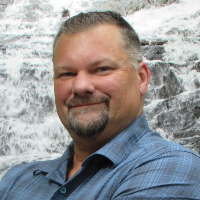
About Robert
Robert Wubbenhorst is a Vermont LCMHC with 15 years of clinical experience. He works with adults who are dealing with stress, anxiety, depression, grief, anger, and problems with relationships or intimacy. He also helps people facing addictions, career stress, sleep difficulties, and the effects of trauma and abuse.
He keeps sessions straightforward and practical. He listens for the patterns that keep people stuck and uses talk and direct techniques to change those patterns. He explains steps clearly and offers tools people can use between sessions to manage overwhelming feelings and impulses.
Robert draws on several approaches when helping someone manage anger and related concerns. He often uses client-centered conversation to understand a person’s priorities. He pairs that with cognitive behavioral strategies to identify unhelpful thoughts and with dialectical skills to manage strong emotions without acting on them impulsively.
Mindfulness practices and hypnotherapy are also among his methods. Mindfulness helps slow racing thoughts and reduce reactivity. Hypnotherapy is used as a focused way to access motivation and reduce problematic habits when appropriate.
He has worked in community mental health, higher education, and independent practice. That range gives him experience with crisis response, supervision of trainees, and group work as well as individual counseling. People who want clear, direct help with anger and related problems may find his approach practical and action oriented.
Therapeutic approaches and working online
Client-Centered Therapy focuses on understanding a persons priorities and building a collaborative relationship so they can decide what matters most. Cognitive Behavioral Therapy (CBT) identifies unhelpful thought patterns and offers step-by-step ways to change reactions and behavior. Dialectical Behavior Therapy (DBT) teaches concrete emotion regulation and distress tolerance skills that help manage strong urges without acting on them.Finding the right mix of approaches is part of the work. Robert will discuss goals and preferences and then try techniques that suit the clients needs. The choice of methods is meant to be collaborative, with adjustments made based on how things are going in sessions.
Session formats are not specified in the provided biography, so confirm current options before booking. Online sessions can make it easier to fit meetings around work or family responsibilities, reduce travel time, and allow brief check-ins when schedules are tight. If a quieter setting, less bandwidth, or a shorter session would help that can be discussed when arranging appointments.
Areas of expertise
Primary focus
Also works with
Additional focus areas
Therapeutic approaches
Experience
15+ years
Credentials
Vermont
Languages
English
Frequently asked questions
What kinds of anger problems does he work with?
He addresses anger that shows up as losing temper, simmering resentment, or difficulty handling other peoples strong emotions. He also helps with related issues like impulsivity and relationship conflict.
How would he describe his therapy style?
He uses a practical, direct style that looks for patterns keeping someone stuck. Sessions combine listening with concrete tools and exercises to try between meetings.
How much clinical experience does he have?
He has 15 years of clinical experience working in community mental health, higher education, and independent practice. That includes individual and group counseling plus supervision roles.
What credential does he hold and where does he practice?
He is a Vermont Licensed Clinical Mental Health Counselor (LCMHC) and practices in Vermont.
Which languages are sessions offered in?
Sessions are offered in English.
Can people outside the United States work with him?
International clients are not currently accepted.
How much do sessions cost?
Cost varies with location and sessions use a subscription that can be canceled at any time.
How do I begin a first session?
Start by selecting the See online therapy options button, complete a short matching questionnaire, and schedule a first session.
Online talk therapy is not emergency care, and no counselor can promise a particular result. If you might hurt yourself or someone else, call or text 988, or call 911. More urgent help