- Client-centered approach
- CBT techniques
- EMDR for trauma
About Robin
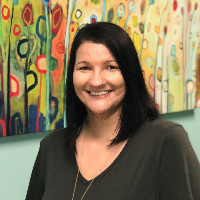
Robin Aucoin is a Licensed Professional Counselor (LPC) practicing in Mississippi with 16 years of experience in mental health. She works with adults and young people facing issues such as depression, anxiety, stress, trauma, and anger. Robin also supports people dealing with grief, addiction, body image concerns, and life transitions.
She trained at William Carey University, earning a Bachelor of Science in Psychology and a Master of Science in Counseling Psychology. Over the years she has helped people affected by sexual assault and abuse, post-traumatic stress, and complications from chronic illness. Her background includes work across age ranges and a variety of settings.
In sessions she uses client-centered techniques that keep the person’s perspective central. She pairs that with cognitive behavioral tools to change unhelpful thinking and behavior. For trauma-related concerns she may incorporate EMDR and trauma-focused methods where appropriate.
Robin also uses mindfulness and narrative approaches to help people notice patterns, reduce reactivity, and rewrite limiting stories about themselves. These tools are applied in straightforward ways to manage anger, reduce stress, and address compulsive or self-sabotaging behaviors.
Her style is interactive and direct. She listens, asks practical questions, and works with people to set clear steps they can try between sessions. To begin, users complete the platform’s matching questionnaire and schedule a first session through the online options button.
How her approaches translate to online work
Client-centered therapy focuses on listening and reflecting the person’s experience. Online sessions can use that same back-and-forth to clarify concerns, set goals, and decide small steps to try between meetings. Cognitive Behavioral Therapy (CBT) teaches practical skills to notice and change thought and behavior patterns; online work can include worksheets, behavioral experiments, and short check-ins to track progress. Eye Movement Desensitization and Reprocessing (EMDR) is a trauma-focused method that helps process distressing memories; when it’s used, the therapist explains each step and proceeds at a pace the person can tolerate.Choosing the right approach is a collaborative process. The therapist will discuss goals, preferences, and the problem’s history, then recommend methods to try. That plan can change over time based on what helps most, and sessions will revisit technique and pacing as needed.
Session formats are not listed in the biography, so confirm current options before booking. Many people find online sessions make it easier to fit therapy into workdays, handle short check-ins, or use written worksheets between meetings. Online work can reduce travel time, allow more flexible scheduling, and make it simpler to follow up on homework or skill practice without promising a particular format.
Areas of expertise
Primary focus
Also works with
Additional focus areas
Therapeutic approaches
Experience
16+ years
Credentials
Mississippi
Languages
English
Frequently asked questions
What kinds of concerns does she address?
She works with trauma and abuse, anxiety, depression, anger, grief, addictions, eating issues, and related problems listed in her profile.
What is her therapeutic style like?
Her approach is interactive and client-centered, using practical questions and exercises to help people change unhelpful patterns.
How much experience does she have?
She has 16 years of experience in the mental health field, including work with trauma, mood disorders, and young adults.
What credentials and location are listed?
She is a Licensed Professional Counselor (LPC) based in Mississippi and holds an MS in Counseling Psychology.
Which languages are supported?
Sessions are offered in English only.
Does she take clients outside the country?
International clients are not currently accepted.
How is payment handled?
Cost varies by location; sessions use a subscription that can be canceled at any time.
How do I begin working with her?
Click the See online therapy options button, complete a short matching questionnaire, and schedule a first session.
Online talk therapy is not emergency care, and no counselor can promise a particular result. If you might hurt yourself or someone else, call or text 988, or call 911. More urgent help