- DBT based skills
- Cognitive behavioral work
- Emotion regulation
About Robin
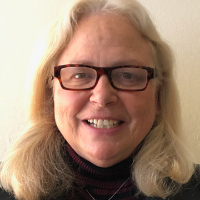
Robin Johnson is an LICSW and LMSW with eight years of experience working with adults in Michigan. She meets people who feel overwhelmed, stuck, or like their feelings are bigger than they can manage. Her practice includes support for anger, anxiety, depression, trauma, addiction, and changes like grief or life transitions.
Robin keeps sessions direct and straightforward. She follows the client's lead, offers guidance, and uses clear feedback rather than vague reassurance. Conversations can include skill practice, problem solving, and checking how strategies are working in everyday life.
Her approach combines client-centered listening with structured techniques. She draws on cognitive behavioral methods to notice thought patterns and on dialectical behavior skills for emotion regulation. Mindfulness and motivational interviewing are also part of the mix when useful for motivation and staying present.
Typical work covers boundaries, coping skills, anger management, relationship problems, and substance use concerns. She uses grounding, anchoring, and relaxation practices alongside talk therapy. Sessions may include role-play or step-by-step plans to try between meetings.
Robin aims to be clear about expectations and practical next steps. She uses respect, humor, and occasional confrontation to move things forward. People who want straightforward feedback and practical tools often find this way of working helpful.
How her approaches translate to online work
Robin combines client-centered listening with cognitive behavioral techniques and dialectical behavior therapy skills. Client-centered work focuses on understanding the client's perspective and building a collaborative plan. CBT looks at thoughts and behaviors and uses exercises to change unhelpful patterns. DBT-based skills teach concrete techniques for emotion regulation, distress tolerance, and improving interpersonal effectiveness.Choosing the right approach is a collaborative process. The therapist will review goals, try methods in session, and adjust based on what helps. Clients and the therapist work together to pick strategies that fit the person's needs and daily life demands.
The biography does not list specific online session formats, so confirm session options before booking. Online work can make it easier to fit therapy into a busy week, allow shorter check-ins when needed, and reduce travel time so skills can be practiced between sessions. Licensed professionals use these methods to focus on practical skills, step-by-step plans, and homework that can be done between meetings to address anger, mood, and stress.
Areas of expertise
Also works with
Additional focus areas
Therapeutic approaches
Experience
8+ years
Credentials
Michigan, Massachusetts
Languages
English
Frequently asked questions
What kinds of anger issues does she address?
She works with difficulties like losing temper with close people, building resentment, frustration at work, and managing others' anger.
What is her general therapy style?
She uses a direct, transparent style that combines listening with practical feedback and occasional confrontation.
How much clinical experience does she have?
She has eight years of experience practicing as an LMSW and LICSW in clinical settings.
What credentials and location apply?
She holds LMSW and LICSW credentials and practices in Michigan.
Are sessions offered in other languages or internationally?
Sessions are offered in English. International clients are not currently accepted.
Which session formats are available?
The original biography does not list specific session formats; confirm current session options before booking.
How are fees handled?
Cost varies with location and sessions use a subscription model that can be canceled at any time.
What are the first steps to begin?
Select the See online therapy options button, complete a short matching questionnaire, and schedule a first session.
Online talk therapy is not emergency care, and no counselor can promise a particular result. If you might hurt yourself or someone else, call or text 988, or call 911. More urgent help