- CBT strategies
- DBT skills
- Client-centered care
About Rosana
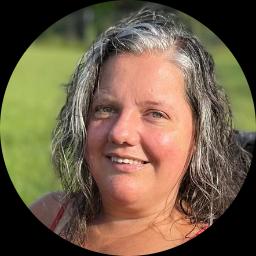
Rosana Arteta is a Licensed Mental Health Counselor (LMHC) in New York with eight years of clinical experience. She works with adults who are dealing with stress, anxiety, relationship strain, trauma and abuse, depression, and anger. Sessions are offered in English and Spanish and focus on practical ways to cope with everyday pressure.
Her style centers on listening and clear, action-oriented work. Rosana aims to make it easier to name what is happening and try small changes that can reduce intense reactions. She uses straightforward conversation, skill practice, and goal-setting rather than long lectures about theory.
Rosana draws on methods from client-centered therapy, cognitive behavioral therapy, and dialectical behavior therapy, among other approaches. That means she pays attention to how thoughts, feelings, and behaviors interact and teaches skills to manage strong emotions and impulses. Mindfulness and existential ideas also appear in sessions to help with meaning and presence.
People meet her to tackle specific problems like sleep disruption, anger that affects close relationships, or the fallout from past trauma. She helps with practical steps for coping, improving communication, and reducing recurring patterns that get in the way of everyday functioning.
Her background includes several years working with mood and anxiety difficulties, addiction concerns, grief, and identity-related stress. She invites clear goal-setting and regular review of progress so people can see what is changing and adjust the plan as needed.
Online sessions and therapeutic approaches
Rosana uses client-centered work that focuses on listening, clarifying what matters to the client, and shaping sessions around their goals. This approach helps when someone needs to talk through their feelings and decide which next steps feel doable.She also applies cognitive behavioral therapy (CBT) to map the links between thoughts, feelings, and actions. CBT is useful for reducing angry reactions, challenging unhelpful thinking patterns, and testing new behaviors in everyday situations. Dialectical behavior therapy (DBT) skills are used to build emotion regulation, distress tolerance, and interpersonal effectiveness, which can help when strong feelings or impulsivity get in the way.
Finding the right mix of methods is part of the work. The therapist and client review goals and try approaches that fit the client's needs, preferences, and life demands. This is a collaborative process where techniques are adjusted based on what helps most.
Session formats are not specified in the original biography, so confirm current options before booking. Online work can make it easier to fit appointments into a busy schedule, allow shorter check-ins when time is limited, or reduce the need for travel. Licensed professionals can adapt homework, skill practice, and paced check-ins so therapy fits into everyday life.
Areas of expertise
Primary focus
Also works with
Additional focus areas
Therapeutic approaches
Experience
8+ years
Credentials
New York
Languages
English, Spanish
Frequently asked questions
Which anger-related concerns does she address?
She works with adults on anger linked to relationships, work stress, resentment, impulse control, and related mood issues.
What is her therapy style like?
She uses a direct, listening-first approach with practical skill-building and goal-setting rather than theoretical lectures.
How much clinical experience does she have?
She has eight years of professional work experience as a clinician in New York.
What are her credentials and location?
She is a New York Licensed Mental Health Counselor (LMHC) based in New York.
Which languages are supported?
Sessions are offered in English and Spanish.
Can international clients work with her?
International clients are not currently accepted.
How are fees handled?
Cost varies with location and sessions use a subscription that can be canceled at any time.
How do I begin a first session?
Select the See online therapy options button, complete the short matching questionnaire, and schedule your first session.
Online talk therapy is not emergency care, and no counselor can promise a particular result. If you might hurt yourself or someone else, call or text 988, or call 911. More urgent help