- Anger management strategies
- CBT and DBT skills
- Grief and life change
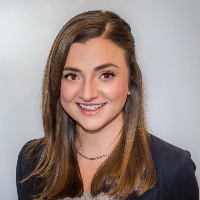
About Sara
Sara Sutherland is a Licensed Master Social Worker (LMSW) practicing in Michigan with eight years of clinical experience. She works with people facing stress, anxiety, grief, depression, relationship strain, parenting challenges, addiction concerns, and anger. She also supports those coping with chronic illness, caregiving strain, and major life changes.
Sara keeps sessions straightforward and practical. She listens first, then helps people map what feels most urgent. She uses methods that encourage clearer thinking and new habits, not quick fixes. People leave sessions with concrete steps to try between meetings.
Her background includes work in independent practice, health care settings, and hospice care. That mix shaped how she responds to loss, chronic and terminal illness, and the everyday stressors that wear people down. She draws on clinical social work skills developed at Western Michigan University and undergraduate studies at Hope College.
In sessions she focuses on helping people feel seen and heard while also supporting change. She aims to help clients reduce reactive responses, manage strong emotions, and improve communication. The work often combines talk, practical skills, and simple mindfulness techniques.
Sara practices with a straightforward, genuine style. She asks clear questions and offers tools from approaches like cognitive behavioral work and DBT skills when helpful. If someone wants help handling anger, resentment, or recurring outbursts, she can talk through practical strategies and steps to try.
How her approaches work for online sessions
Sara uses client-centered work, cognitive behavioral therapy, and DBT skills in ways that translate well to remote sessions. Client-centered work means she focuses on what matters most to the person in front of her and responds with straightforward questions and reflections. CBT involves identifying unhelpful thinking and testing small behavior changes to reduce reactivity and mood problems. DBT skills teach concrete emotion regulation and distress tolerance techniques for moments of strong upset.Finding the right approach is part of the process. She will work with clients to decide which methods fit their needs, goals, and personal preferences. That choice is collaborative and can change over time as progress is made.
The practical benefits of online therapy include scheduling that fits into busy days and keeping sessions consistent when travel or health issues make in-person visits harder. If you want to know what session formats she currently offers, confirm the current options before booking so you can pick the one that suits your routine. Online work can make it easier to practice skills between meetings and bring real-life examples into conversation.
Areas of expertise
Also works with
Additional focus areas
Therapeutic approaches
Experience
8+ years
Credentials
Michigan
Languages
English
Frequently asked questions
What concerns does she help with?
She helps with stress, anxiety, grief, depression, relationship and parenting issues, addiction concerns, anger, and related matters such as chronic illness and caregiver stress.
What is her general approach in sessions?
She listens first and focuses on practical steps. Sessions combine talking, skills practice, and mindful awareness rather than abstract theorizing.
How long has she been practicing clinically?
She has eight years of clinical experience working in independent practice, health care, and hospice settings.
What credential does she hold and where is she based?
She is a Licensed Master Social Worker (LMSW) based in Michigan.
Which languages are supported for sessions?
Sessions are offered in English only.
Can people outside the U.S. work with her?
She is not accepting international clients at this time.
How are sessions billed and what do they cost?
Cost varies by location. Sessions use a subscription that can be canceled at any time.
How do I get started with her?
Select the See online therapy options button, complete a short matching questionnaire, and schedule a first session.
Online talk therapy is not emergency care, and no counselor can promise a particular result. If you might hurt yourself or someone else, call or text 988, or call 911. More urgent help