- CBT methods
- DBT skills
- Motivational Interviewing
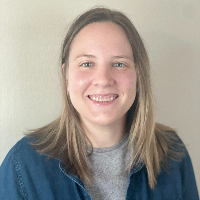
About Sarah
Sarah Platzer is a Licensed Clinical Social Worker (LCSW) in Wisconsin with four years of clinical experience. She works with people coping with stress, anxiety, depression, anger, ADHD, grief, and parenting strain. Sessions are in English and do not accept international clients.
Sarah draws on practical methods from Cognitive Behavioral Therapy (CBT) and Dialectical Behavior Therapy (DBT). She also uses Motivational Interviewing to help people find momentum when they feel stuck. In sessions she focuses on clear skills that can be used between meetings, such as pacing strong emotions and changing unhelpful thinking patterns.
Clients can expect a direct, down-to-earth style that aims to make talking about hard things easier. She pays attention to safety concerns and has experience supporting people who have struggled with self-harm and suicidal thoughts. The work often includes learning concrete coping tools and planning small behavioral steps forward.
Sarah’s background includes hospital and outpatient behavioral health work. That experience shaped how she responds to mood disorders, isolation, and family problems in practical ways. She mixes skills practice with short-term problem solving to address immediate stressors while building longer-term regulation skills.
People who come for help with anger learn ways to notice escalation early, use DBT distress-tolerance techniques, and adjust thinking that fuels resentment. Sessions also address related topics such as relationship strain, sexuality questions, and compassion fatigue, depending on what the person brings to therapy.
How CBT, DBT and Motivational Interviewing work in online sessions
CBT focuses on the link between thoughts, feelings, and behavior. In online sessions this often means identifying unhelpful thinking patterns and trying small behavior experiments between meetings to test different ways of responding. It is useful for anxiety, low mood, and anger that grows from repeated negative thoughts.DBT emphasizes emotion regulation and distress-tolerance skills. Online work uses practical exercises to notice early signs of escalation, apply grounding or breathing techniques, and practice safer ways to respond when anger rises. DBT skills are often taught and practiced during sessions and then used in day-to-day life.
Motivational Interviewing is a focused conversational style that helps people move from ambivalence to action. It is helpful when someone feels stuck about making changes and wants to find their own reasons to try new strategies.
Choosing the right mix of approaches is a collaborative process. The therapist will work with each person to match methods to their goals, needs, and preferences, and will adjust the plan as work progresses.
Confirm the current session formats before booking, since formats are not specified here. Online sessions can make it easier to fit meetings into a busy week, allow shorter check-ins when needed, and remove travel time so people can focus on skill practice and planning practical next steps.
Areas of expertise
Primary focus
Also works with
Additional focus areas
Therapeutic approaches
Experience
4+ years
Credentials
Wisconsin
Languages
English
Frequently asked questions
What kinds of concerns does she help with?
She works with stress, anxiety, depression, anger, ADHD, grief, parenting strain, and related issues such as isolation and mood disorders.
What is her approach or style in sessions?
Her style is practical and direct. She focuses on teaching skills, short-term problem solving, and clear steps people can use between sessions.
How much clinical experience does she have?
She has four years of experience working in behavioral health settings including hospital and outpatient clinics.
What are her credentials and where is she based?
She is a Licensed Clinical Social Worker (LCSW) practicing in Wisconsin.
Which languages are supported for sessions?
Sessions are offered in English.
Does she work with clients outside the country?
She does not accept international clients at this time.
What session formats are available?
Please confirm current session options before booking by checking the online therapy options button and the scheduling flow.
How does cost and scheduling work?
Cost varies with location and sessions use a subscription that can be canceled at any time. To get started, complete the short matching questionnaire and schedule a first session.
Online talk therapy is not emergency care, and no counselor can promise a particular result. If you might hurt yourself or someone else, call or text 988, or call 911. More urgent help