- CBT techniques
- DBT skills
- Mindfulness practice
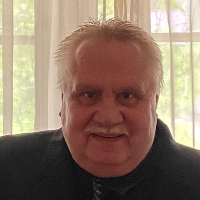
About Scott
Scott Heise is an Illinois Licensed Clinical Professional Counselor (LCPC) with 14 years of experience. He practices in Illinois and works with adults on issues such as stress, anxiety, addictions, trauma, depression, grief, sleep problems, parenting concerns, anger, self-esteem, career questions, bipolar disorder, ADHD, and coping with life changes.
He began his clinical work after earning a master’s degree in Counseling Psychology and has substantial experience in community mental health settings. That background means he has spent years helping people with substance use, post-traumatic stress, personality concerns, and the everyday frustrations that pile up over time.
Scott uses a client-centered method that sets clear goals. He draws on cognitive behavioral ideas to spot unhelpful thinking and DBT skills to manage intense feelings. Mindfulness and existential approaches also appear in sessions when they fit the person’s concerns.
Sessions often focus on concrete steps. People learn skills to reduce reactivity, improve sleep, handle cravings, or manage workplace and parenting stress. He also works on communication and setting boundaries so resentment and anger do not build unchecked.
He can include conversations about faith when a client wants that perspective. Scott uses straightforward language, practical tools, and occasional humor to keep sessions down-to-earth. To begin, clients complete a short matching questionnaire and schedule a first session through the online options button.
Background and approach: His work is task-focused and collaborative. He helps people set measurable goals, practices specific coping techniques during sessions, and reviews progress regularly. Motivational interviewing is used when change feels hard, and mindfulness exercises are taught for everyday use. The approach aims to reduce overwhelm and give people skills they can use between appointments.
How his approaches translate to online work
Scott commonly uses Cognitive Behavioral Therapy and Dialectical Behavior Therapy in ways that fit video or phone conversations. CBT focuses on noticing and changing unhelpful thoughts and behaviors, which often involves setting homework and practicing new patterns between sessions. DBT teaches skills for managing strong emotions and improving interpersonal effectiveness through brief exercises and skill coaching during meetings.He also brings client-centered and mindfulness elements into remote sessions. Client-centered work means the therapist listens and helps set clear goals together. Mindfulness practice can be guided in a session and then repeated by the client between appointments. Deciding which mix of approaches to use is a collaborative process based on the client’s needs and preferences.
Session format details are not listed here, so confirm the available online options before booking. Online sessions can make it easier to fit therapy into a workday, reduce travel time, allow for shorter check-ins when needed, and let people practice skills in the settings where they live and work. Licensed professionals can adapt homework, worksheets, and mindfulness exercises to remote meetings so progress continues between sessions.
Areas of expertise
Primary focus
Also works with
Additional focus areas
Therapeutic approaches
Experience
14+ years
Credentials
Illinois
Languages
English
Frequently asked questions
What problems does he address related to anger?
He works with anger alongside stress, anxiety, depression, addictions, trauma, sleep problems, parenting strain, and related issues.
What is his therapeutic style?
He uses a client-centered, goal-oriented approach with practical tools and clear objectives.
How many years has he practiced?
He has 14 years of experience, including work in community mental health settings.
What are his credentials and where is he based?
He is an Illinois LCPC and practices in Illinois.
Do sessions take place in other languages or for international clients?
Sessions are offered in English and international clients are not accepted at this time.
Which session formats are offered?
Please confirm current session options before booking, as session formats are not specified here.
How are fees handled?
Cost varies with location and sessions use a subscription that can be canceled at any time.
How do I get started?
Select the See online therapy options button, complete the short matching questionnaire, and schedule a first session.
Online talk therapy is not emergency care, and no counselor can promise a particular result. If you might hurt yourself or someone else, call or text 988, or call 911. More urgent help