- ACT and CBT methods
- DBT skills work
- Mindfulness practice
About Shaiuana
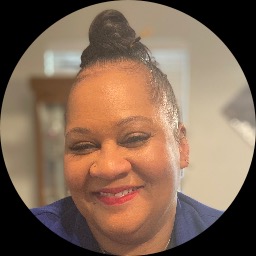
Shaiuana Okoro is a Licensed Professional Counselor (LPC) in Texas with five years of clinical experience. She works with adults who are dealing with stress, anxiety, depression, addiction, relationship strain, and anger. She also supports people facing grief, self-esteem struggles, and challenges related to sexuality and identity.
She uses practical talk and evidence-backed methods in sessions. That means looking at what triggers strong emotions, practicing ways to respond differently, and building routines that reduce repeated upset. Sessions focus on skills people can use between meetings, like breathing practices, simple behavior changes, and clearer communication techniques.
Her work includes support for those recovering from trauma and sexual assault, and for people managing mood disorders or symptoms linked to ADHD. She helps people address feelings of abandonment, guilt, shame, and isolation, and she supports clients working through substance use concerns.
Shaiuana draws from Acceptance and Commitment Therapy, Cognitive Behavioral Therapy, Dialectical Behavior Therapy, client-centered approaches, and mindfulness practices. She explains tools in everyday language and practices them in session so clients can try them out in real life.
To begin, she asks about current struggles and what a better day looks like. Together they set practical goals and steps to practice between sessions. This approach fits people who want clear, actionable strategies for handling anger and related problems.
How her approaches translate to online work
Acceptance and Commitment Therapy (ACT) helps people notice difficult thoughts and feelings without getting ruled by them. It emphasizes values and small actions that move someone toward a more meaningful day. Cognitive Behavioral Therapy (CBT) looks at the links between thoughts, feelings, and actions and teaches practical strategies to shift unhelpful patterns. Dialectical Behavior Therapy (DBT) emphasizes emotion regulation, distress tolerance, and clearer communication skills that reduce reactivity. Choosing which approach to use is a collaborative process. The therapist will discuss goals and daily challenges, try out techniques, and adjust methods based on what helps most. Clients and the therapist decide together which skills to focus on and how to pace the work. The practical benefits of online sessions make it easier to fit therapy into a busy life. Online work can reduce travel time, allow for shorter check-ins when needed, and make it simpler to practice skills between appointments. Because the biography does not specify session formats, confirm current session options before booking to know whether video, phone, or other formats are available.Areas of expertise
Primary focus
Also works with
Additional focus areas
Therapeutic approaches
Experience
5+ years
Credentials
Texas
Languages
English
Frequently asked questions
What kinds of concerns does she address?
She works with stress, anxiety, depression, addictions, relationship issues, anger, grief, and related struggles listed in her specialties.
What is her general approach in sessions?
She uses practical, evidence-informed methods like ACT, CBT, DBT, client-centered work, and mindfulness to teach skills and change unhelpful patterns.
How much clinical experience does she have?
She has five years of professional work experience as a counselor in Texas.
What credential does she hold and where is she based?
She is a Licensed Professional Counselor (LPC) licensed in Texas and practices from that state.
Which languages are supported during sessions?
Sessions are offered in English.
Does she see clients outside the United States?
International clients are not currently accepted; sessions are provided to people within the jurisdiction she practices.
How are sessions billed and what does cost look like?
Cost varies with location and sessions use a subscription that can be canceled at any time.
How do I begin working with her?
Use the See online therapy options button, complete a short matching questionnaire, and schedule a first session.
Online talk therapy is not emergency care, and no counselor can promise a particular result. If you might hurt yourself or someone else, call or text 988, or call 911. More urgent help