- Client-centered approach
- Cognitive Behavioral Therapy
- Mindfulness techniques
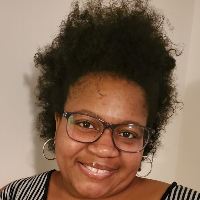
About Shalika
Shalika Eaddy-Henderson is a Licensed Clinical Social Worker (LCSW) in North Carolina with 10 years of experience. She helps people who are having trouble sleeping, focusing, or managing stress. Her work covers anxiety, depression, trauma, anger, relationship and family concerns, ADHD, addictions, and life changes.
She began her career after earning a Master of Public Administration and later a Master of Social Work from Fordham University. That earlier work in banking gave her a different view of daily stressors and how they can lead to mood and behavior problems. She says that experience shaped why she chose social work and how she supports people now.
In sessions she starts by checking in about the week, the day, or even the last hour. Then she follows the client's lead about where to go next. Her stated approach is client-centered, meaning she adapts to how each person prefers to begin and proceed.
She uses tools from cognitive behavioral therapy and mindfulness to help people notice patterns, change unhelpful thinking, and learn simple grounding practices. Motivational interviewing and narrative therapy are also part of her work when people want to explore choices and the stories they tell about themselves.
Shalika has worked with a range of people including those affected by homelessness and substance use, as well as adults who are dealing with parenting, fertility, separation, or grief. She is finishing a Doctorate in Social Work and continues to combine practical life experience with clinical practice.
How her approaches translate to online sessions
Client-Centered Therapy focuses on listening and following the client's lead. In practice this means sessions begin with a check-in about recent events and then move where the client prefers, useful for anger that shows up in daily life. Cognitive Behavioral Therapy helps people spot the thoughts and actions that keep anger looping and try small experiments to change them, which suits short-term problems like work frustration or recurring arguments.Finding the right approach is part of the work together. The therapist will talk with the client about goals, preferences, and what has helped or not helped in the past. That discussion guides whether more CBT exercises, mindfulness practices, or narrative work fits best, and it can shift over time as needs change.
The biography does not list specific online session formats, so confirm current options before booking. Online sessions can make it easier to fit therapy into a busy day, avoid travel time, or choose a shorter check-in when needed. Therapists and licensed professionals often use these arrangements to keep progress steady while fitting sessions into everyday life.
Areas of expertise
Also works with
Additional focus areas
Therapeutic approaches
Experience
10+ years
Credentials
North Carolina
Languages
English
Frequently asked questions
What concerns does she address related to anger?
She works with anger alongside stress, anxiety, trauma, relationship and family concerns, and coping with life changes.
Which therapeutic styles does she use?
Her practice includes Client-Centered Therapy, Cognitive Behavioral Therapy, Mindfulness Therapy, Motivational Interviewing, and Narrative Therapy.
How much clinical experience does she have?
She has about 10 years of experience working in social work and clinical settings.
What credential does she hold and where is she based?
She is a Licensed Clinical Social Worker (LCSW) licensed in North Carolina.
Does she offer sessions in other languages or to international clients?
Sessions are offered in English and she is not accepting international clients.
What session formats are available?
The original biography does not list specific session formats; please confirm the current session options before booking.
How are sessions billed or paid for?
Cost varies with location and sessions use a subscription that can be canceled at any time.
How do I begin working with her?
Select the See online therapy options button, complete a short matching questionnaire, and schedule a first session.
Online talk therapy is not emergency care, and no counselor can promise a particular result. If you might hurt yourself or someone else, call or text 988, or call 911. More urgent help