- CBT techniques
- DBT skills
- Mindfulness practice
About Sharon
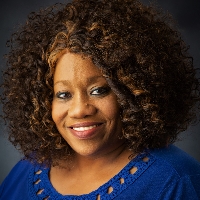
Sharon Woodard is a Licensed Mental Health Counselor (LMHC) and Licensed Clinical Mental Health Counselor (LCMHC) with 15 years of experience. She practices in North Carolina and focuses on common concerns such as stress, anxiety, depression, grief, and anger. Sharon uses straightforward talk and practical tools to help people manage strong feelings and day-to-day strain.
She prefers a client-centered way of working, listening first to what is happening now. Sharon combines Cognitive Behavioral Therapy and Dialectical Behavior Therapy techniques to help people notice patterns, test new behaviors, and reduce intense emotional reactivity. Mindfulness practices are offered to build calmer attention and better emotional awareness.
Sharon has particular experience with trauma and abuse, including sexual assault, and with post-traumatic stress. She also supports people dealing with mood disorders, panic, and complex grief. Her background includes helping those who struggle with shame, control issues, and isolation.
In sessions she breaks problems into small, manageable steps. She helps people practice new responses to anger, set clearer boundaries, and repair relationships where possible. Work often includes homework between sessions so skills can be tested in real situations.
Sharon aims to help clients build steadier coping skills for everyday life and work. She blends direct skill teaching with reflective talk so people can both understand their patterns and try different choices. People who want practical strategies for anger and stress often find this approach useful.
How her approaches translate to online work
Sharon commonly blends Cognitive Behavioral Therapy and Dialectical Behavior Therapy with client-centered listening. CBT helps identify unhelpful thoughts and test new behaviors; it is useful for anxiety, anger, and mood problems. DBT adds concrete skills for regulating emotions, tolerating distress, and improving interpersonal effectiveness. Client-centered methods keep the work grounded in the person’s priorities and immediate concerns.Finding the right mix of approaches is a collaborative process. Sharon will talk with each person about goals, try specific techniques, and adjust based on what helps. That collaborative testing helps match skills and exercises to daily life needs rather than using a fixed script.
Confirm the therapist's available session formats before booking so you know how meetings will be held. Online work can make it easier to fit sessions into a busy schedule, shorten check-ins when needed, and allow for skill practice between appointments. Many people find that using CBT and DBT tools in regular online sessions helps them manage anger and stress in real time, while continuing to use their everyday routines.
Areas of expertise
Also works with
Additional focus areas
Therapeutic approaches
Experience
15+ years
Credentials
North Carolina, Virginia, Washington
Languages
English
Frequently asked questions
What kinds of struggles does she address?
She works with stress, anxiety, depression, grief, anger, trauma and related issues such as shame, isolation, and workplace problems.
Which therapeutic styles does she use?
She uses client-centered methods alongside Cognitive Behavioral Therapy, Dialectical Behavior Therapy, mindfulness, and trauma-focused work.
How much clinical experience does she have?
She has 15 years of experience working with people facing mood, trauma, and stress-related concerns.
What are her credentials and where is she based?
She holds LMHC and LCMHC credentials and practices in North Carolina.
Can I work with her in another country or language?
Sessions are offered in English and she does not accept international clients at this time.
What session formats are available?
Confirm the current session options before booking to learn which formats Sharon offers for appointments.
How much do sessions cost?
Cost varies with location; sessions use a subscription that can be canceled at any time.
How do I begin working with her?
Select the See online therapy options button, complete a short matching questionnaire, and schedule a first session.
Online talk therapy is not emergency care, and no counselor can promise a particular result. If you might hurt yourself or someone else, call or text 988, or call 911. More urgent help