- CBT methods
- Mindfulness practice
- Motivational interviewing
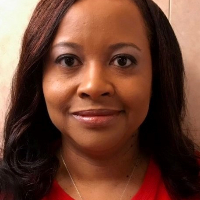
About Shawna
Shawna Morrison-Flood is a Licensed Clinical Social Worker (LCSW) in Virginia with ten years of clinical experience. She works with adults on concerns such as stress, anxiety, depression, grief, addictions, parenting strain, and anger. She also helps people dealing with relationship and family problems and supports those facing life changes like divorce or caregiving challenges.
Shawna trained in social work and has experience at a local Department of Social Services where she began as a Child Protective Services assessment investigator. Over the years she has worked with people who have diagnoses including bipolar disorder, ADHD, PTSD, mood disorders, and disruptive mood dysregulation concerns.
Her way of working is down-to-earth and respectful. She aims to understand where a person is in the moment and what they want to accomplish. She uses a mix of approaches so sessions focus on practical steps that match a person's needs.
Therapeutic methods she draws on include Cognitive Behavioral Therapy, Client-Centered Therapy, Mindfulness Therapy, Motivational Interviewing, and Psychodynamic Therapy. That variety lets her shift methods when a different approach might better suit a particular problem or goal.
Clients can expect straightforward conversations about goals and next steps. Shawna emphasizes self-determination and works with people to set realistic changes they can build on. She accepts international clients and conducts sessions in English.
Therapeutic approaches and working online
Shawna uses Cognitive Behavioral Therapy and Mindfulness Therapy in straightforward ways. CBT looks at the connection between thoughts, feelings, and actions and helps people test and change unhelpful thinking patterns. Mindfulness Therapy focuses on noticing thoughts and sensations with less reactivity, which can reduce sudden anger and rumination.She also draws on Client-Centered Therapy, which prioritizes what the person wants to work on and builds the conversation around their goals. Deciding which approaches to use is a collaborative process. The therapist and client review needs, goals, and preferences and then try methods that fit those priorities.
The profile does not specify session formats, so confirm the current options before booking. Online sessions can make it easier to fit therapy into a busy schedule, shorten travel time, and allow for shorter check-ins when time is limited. Working remotely can also help people access care from different locations and maintain consistency as life changes occur.
Areas of expertise
Primary focus
Also works with
Additional focus areas
Therapeutic approaches
Experience
10+ years
Credentials
Virginia
Languages
English
Frequently asked questions
What kinds of anger-related problems does she address?
She helps with losing temper in relationships, frustration at work, building resentment, and coping with someone else’s anger as listed among her specialties.
How would you describe her therapeutic style?
Her style is client-centered and practical. She meets people where they are and focuses on clear goals and steps to make change.
How much clinical experience does she have?
She has ten years of clinical experience, including work at a Department of Social Services and roles involving child protective services and varied mental health settings.
What credential and location are listed?
She is a Licensed Clinical Social Worker (LCSW) licensed in the state of Virginia.
Which languages are sessions offered in?
Sessions are offered in English and she accepts international clients.
What session formats are available?
The profile does not list specific session formats. Confirm current session options before booking to know how she offers appointments.
How are fees handled?
Cost varies with location and sessions use a subscription that can be canceled at any time.
How do I begin working with her?
Select the See online therapy options button, complete a short matching questionnaire, and schedule a first session.
Online talk therapy is not emergency care, and no counselor can promise a particular result. If you might hurt yourself or someone else, call or text 988, or call 911. More urgent help