- CBT techniques
- DBT skills
- Addiction support
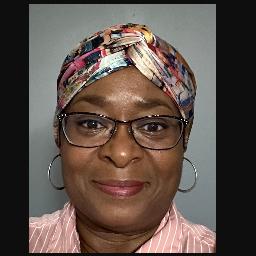
About Shelia
Dr. Shelia Williamson Collins is an LPC and LCPC with 18 years of clinical experience based in North Carolina. She holds a PhD in General Psychology and graduate degrees in counseling and psychology. Her work focuses on stress, anxiety, addictions, trauma, anger, depression, and related concerns.
She has experience across inpatient psychiatric care, outpatient clinics, community mental health, and residential substance treatment. That background shapes a practical approach to day-to-day problems. She talks through what is happening now and what patterns keep problems repeating.
Sessions emphasize direct strategies and clear skills. Cognitive Behavioral Therapy (CBT) is used to spot unhelpful thoughts and change reactions. Dialectical Behavior Therapy (DBT) techniques are used for emotion regulation and distress tolerance when feelings become intense.
The overall stance is client-centered. That means conversations center on the person in front of her and their goals. She helps people set realistic steps, try new ways of coping, and notice progress over time.
Practical issues like relapse prevention, addiction education, and managing anger get focused attention. She also addresses caregiver stress, communication problems, mood disorders, and multicultural concerns. Clients decide whether they want shorter check-ins or weekly sessions and plan treatment around what works for them.
How therapeutic approaches are used in online sessions
Dr. Collins draws on Client-Centered Therapy, Cognitive Behavioral Therapy, and Dialectical Behavior Therapy in her work. Client-Centered Therapy focuses on listening and building a collaborative relationship so goals come from the client. Cognitive Behavioral Therapy looks at patterns of thought and behavior and teaches concrete skills to change reactions and reduce distress. Dialectical Behavior Therapy offers emotion regulation, distress tolerance, and interpersonal effectiveness tools to manage strong feelings and improve responses.Choosing the right approach is part of the work together. She will help identify which methods fit the client’s needs, goals, and preferences. That decision is collaborative and may shift as progress is made or as new challenges arise.
Confirm current session options before booking since specific online formats are not listed here. Online sessions can make it easier to fit meetings into a day, allow shorter check-ins when needed, and reduce travel time. They also let people try skills in the environments where problems occur and then discuss what happened in the next session.
Areas of expertise
Primary focus
Also works with
Additional focus areas
Therapeutic approaches
Experience
18+ years
Credentials
Illinois, North Carolina, Alaska
Languages
English
Frequently asked questions
What kinds of concerns does she work with?
Her practice covers stress, anxiety, addictions, trauma and abuse, anger, depression, LGBT issues, relationship and family concerns, grief, intimacy issues, eating concerns, parenting, self esteem, bipolar disorder, ADHD, and related areas.
What is her therapy style like?
She uses a client-centered approach combined with practical methods. Sessions focus on skills, problem solving, and talking through current patterns.
How much experience does she have?
She has 18 years of experience working in inpatient, outpatient, community mental health, and residential substance treatment settings.
What credentials and region are listed?
She is listed as an LPC and LCPC licensed in North Carolina and holds a PhD in General Psychology.
Which languages are available for sessions?
Sessions are offered in English.
Does she take international clients?
International clients are not currently accepted.
How are fees and payment handled?
Cost varies with location; sessions use a subscription that can be canceled at any time.
What are the first steps to begin?
Select the See online therapy options button, complete a short matching questionnaire, and schedule a first session.
Online talk therapy is not emergency care, and no counselor can promise a particular result. If you might hurt yourself or someone else, call or text 988, or call 911. More urgent help