- CBT methods
- Mindfulness practice
- Trauma-informed approach
About Shelley
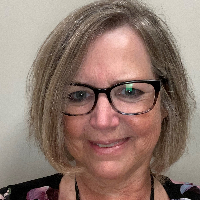
Shelley Adkins is a Licensed Clinical Social Worker - LCSW practicing in Kentucky with 25 years of experience. She works with adults facing stress, anxiety, relationship strain, trauma and abuse, grief, depression, parenting challenges, anger, and self-esteem concerns.
Shelley helps people who are juggling caregiving, chronic health problems, work strain, or the stress of major life change. She often sees clients dealing with compassion fatigue, career uncertainty, and the ripple effects of family-of-origin issues. Her work also touches on aging and geriatric concerns, autism and Asperger syndrome, cancer, and caregiver stress.
Her approach draws on client-centered methods and cognitive behavioral techniques to address current problems and practical patterns. She uses mindfulness and narrative tools to help people notice thought patterns and the stories they tell themselves. Trauma-focused methods are part of her work when past events continue to cause distress.
Sessions emphasize clear, practical steps rather than abstract theory. Shelley aims to help people clarify what they want to change, learn new ways to respond, and practice those responses in real life. She reflects on strengths while pointing out small, concrete changes that can reduce anger and build steadier habits.
She offers guidance for adults experiencing persistent frustration, recurring outbursts, or ongoing resentment. Before booking, confirm the current session options to make sure they match your needs.
Approaches used in remote sessions
Client-centered therapy focuses on listening and understanding a person's priorities. It helps people clarify their goals and feel heard before moving into changes. Cognitive Behavioral Therapy, or CBT, helps identify unhelpful thinking and testing new behaviors to reduce anger and anxiety.Narrative work looks at the stories a person tells about themselves and their relationships. That can help shift patterns of blame, shame, or stuck thinking. Trauma-focused methods are used when past events still influence reactions, with care taken to pace work so it feels manageable.
Finding the right approach is often collaborative. The therapist will talk with the client about goals, try methods that fit those goals, and adjust as needed. You and the therapist decide together which techniques to use and how quickly to move forward.
Session logistics should be confirmed before booking since formats are not specified here. Ask about the current online options so you know what to expect. Online sessions can make it easier to fit therapy into a busy week, allow shorter check-ins when needed, and reduce travel time so coping work fits everyday life.
Areas of expertise
Primary focus
Also works with
Additional focus areas
Therapeutic approaches
Experience
25+ years
Credentials
Kentucky
Languages
English
Frequently asked questions
What kinds of anger-related problems does she address?
She works with adults who struggle with losing their temper, simmering resentment, or anger tied to relationships, work, grief, or past trauma.
What is her general therapy style?
She combines client-centered listening with cognitive behavioral tools and mindfulness exercises to focus on practical change and better daily responses.
How much experience does she have?
She has 25 years of clinical experience working with adults on issues such as anxiety, trauma, depression, and caregiver stress.
What are her credentials and where is she based?
She is a Licensed Clinical Social Worker - LCSW licensed in Kentucky and practices in that state.
Which languages are offered for sessions?
Sessions are offered in English.
Does she work with clients outside the U.S.?
International clients are not currently accepted.
How are fees handled?
Cost varies with location and sessions use a subscription that can be canceled at any time.
What steps are needed to begin?
Select the See online therapy options button, complete a short matching questionnaire, and schedule your first session.
Online talk therapy is not emergency care, and no counselor can promise a particular result. If you might hurt yourself or someone else, call or text 988, or call 911. More urgent help