- Attachment based
- DBT skills
- Client centered
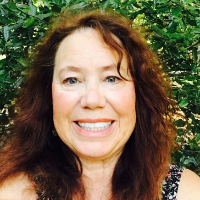
About Sherry
Sherry Friedman is a Licensed Professional Counselor (LPC) and Licensed Clinical Mental Health Counselor (LCMHC) with 12 years of experience in North Carolina. She writes about sensitivity and practical coping in her book and brings that perspective into sessions. Sherry works with stress, anxiety, trauma and abuse, parenting concerns, life changes, compassion fatigue, relationships, grief, anger, mood disorders, and related issues.
Sherry uses approaches that include attachment-based work, client-centered listening, Dialectical Behavior Therapy skills, Emotionally-Focused Therapy ideas, and Jungian perspectives. She describes therapy as a place to look at how life history, relationships, culture, and personal meaning shape current struggles. Sessions often include talking together, noticing patterns, and learning concrete skills for managing emotions and difficult moments.
She has a background in school psychology and gifted education plus a clinical counseling degree. That mix informs her interest in neurodivergence and highly sensitive people. Her book offers vignettes and practical resources she introduces in sessions.
Sherry aims to help people build clearer boundaries, stronger emotional regulation, and more purposeful goals. Work might involve practicing DBT-style skills for distress tolerance, exploring attachment patterns that shape relationships, or using client-centered conversation to clarify values. She also addresses career and identity concerns that come up alongside mood or attention differences.
People new to therapy can expect straightforward conversation with practical steps to try between sessions. To begin, the usual next step is completing a short matching questionnaire and scheduling a first meeting through the online booking flow.
How Sherry's approaches translate to online work
Attachment-Based Therapy focuses on how early relationships shape current patterns. Online sessions use conversation to notice those patterns and to practice new ways of connecting and regulating emotions. Client-Centered Therapy emphasizes listening and the client's own goals; in remote sessions this usually looks like open discussion, reflective feedback, and practical planning. Dialectical Behavior Therapy (DBT) teaches skills for distress tolerance, emotion regulation, and interpersonal effectiveness that translate well to remote practice through brief exercises and homework. Choosing the right approach is a collaborative process. The therapist will discuss goals, try different methods, and adjust based on what helps most. This means clients and therapist work together to decide whether skills practice, deeper exploration, or a mix is best. Confirm the specific session formats before booking since the biography does not list them explicitly. Online sessions can make it easier to fit therapy into a busy life by removing travel, allowing shorter check-ins when needed, and offering more flexible scheduling. They also make it possible to practice skills in the environments where problems happen, and to use worksheets, mindfulness exercises, or DBT skill drills between meetings.Areas of expertise
Primary focus
Also works with
Additional focus areas
Therapeutic approaches
Experience
12+ years
Credentials
North Carolina, South Carolina, Rhode Island
Languages
English
Frequently asked questions
What kinds of concerns does she help with?
Sherry works with stress, anxiety, trauma and abuse, parenting, coping with life changes, compassion fatigue, relationships, grief, anger, mood disorders, and related issues.
What is her therapy style like?
She combines client-centered listening with practical skills and deeper exploration. Sessions mix conversation, pattern recognition, and exercises such as DBT skills and emotion-focused work.
How much experience does she have?
Sherry has 12 years of clinical experience working with a range of emotional and relational challenges.
What are her credentials and location?
She holds LPC and LCMHC credentials and practices in North Carolina listed as SC LPC and NC LCMHC in her documentation.
Which languages are sessions offered in?
Sessions are offered in English.
Can international clients work with her?
She does not accept international clients at this time.
How are sessions scheduled and what formats are used?
Confirm the current session formats before booking; the site process asks you to complete a short questionnaire and then schedule a first session.
How does payment and cost work?
Cost varies with location and sessions use a subscription model that can be canceled at any time.
Online talk therapy is not emergency care, and no counselor can promise a particular result. If you might hurt yourself or someone else, call or text 988, or call 911. More urgent help