- ACT and CBT techniques
- DBT skills and mindfulness
- Practical coping strategies
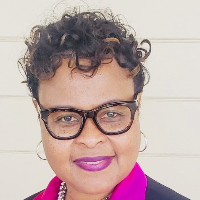
About Shonda
Shonda Hart-Wright is a Licensed Mental Health Counselor (LMHC) in Florida with 20 years of clinical experience. She works with adults who are dealing with stress, anxiety, relationship strain, anger, low self-esteem, depression, addictions, trauma, grief, parenting concerns, career stress, bipolar disorder, ADHD, and life changes. She also addresses related issues such as impulsivity, control problems, caregiver stress, and feelings of isolation.
Her style centers on practical problem solving and straightforward conversation. Sessions focus on identifying what is getting in the way, testing small changes, and building skills that help day-to-day functioning. She uses approaches that emphasize what people can try now rather than long theoretical explanations.
Shonda blends Acceptance and Commitment Therapy, cognitive behavioral techniques, and client-centered care in sessions. She draws on Dialectical Behavior Therapy skills and mindfulness practices where those tools match a person's needs. The emphasis is on learning coping strategies, improving communication, and reducing the impact of strong emotions like anger.
Her background includes work across a variety of clinical settings. That experience contributes to an approach that is both practical and flexible. Sessions typically include clear goals, concrete exercises, and regular check-ins on progress.
People seeking help with persistent anger, workplace frustration, or recurring resentment will find an approach that focuses on behavior change and skill building. Shonda encourages active participation and short-term skill practice between sessions to make changes stick.
How her approaches translate to online sessions
Shonda commonly uses Acceptance and Commitment Therapy and Cognitive Behavioral Therapy in her work. ACT helps people notice difficult thoughts and feelings and focus on valued actions despite them. CBT looks at patterns of thinking and behavior and teaches concrete skills to change unhelpful habits and reactions.She also uses client-centered methods that prioritize the client's perspective and goals. Finding the best mix of approaches is a collaborative process. The therapist and client discuss what matters most and try methods that fit the client's needs and preferences, adjusting as progress is tracked.
Confirm the session formats offered before booking so you know how meetings will be scheduled. Online sessions can make it easier to fit therapy into a busy day, allow shorter check-ins when time is tight, and remove travel time. Many people find that video sessions let them practice communication and grounding skills in real time, while phone sessions can work for brief check-ins or when bandwidth is limited. Talk with the clinician about what will best fit your schedule and goals so sessions support everyday life.
Areas of expertise
Primary focus
Also works with
Additional focus areas
Therapeutic approaches
Experience
20+ years
Credentials
Florida
Languages
English
Frequently asked questions
Which concerns does she address related to anger?
She works with anger along with stress, anxiety, relationship strain, impulsivity, and related mood issues.
What is her therapeutic style?
She uses practical, reality-based counseling with a client-centered focus and skill building.
How much clinical experience does she have?
She has 20 years of experience working in a range of clinical settings.
What are her credentials and where is she based?
She is an LMHC licensed in Florida and practices from that state.
Can sessions be held in languages other than English?
Sessions are offered in English.
Does she work with international clients?
She accepts international clients.
How are sessions priced?
Cost varies by location and sessions use a subscription that can be canceled at any time.
What should I do to begin?
Select the See online therapy options button, complete a short matching questionnaire, and schedule a first session.
Online talk therapy is not emergency care, and no counselor can promise a particular result. If you might hurt yourself or someone else, call or text 988, or call 911. More urgent help