- ACT and DBT methods
- Values based work
- Skills for impulse control
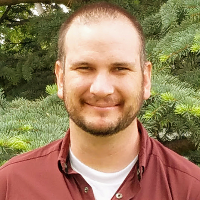
About Stephen
Stephen Bunnell is a Licensed Clinical Social Worker (LCSW) practicing in Idaho with six years of clinical experience. He works with adults facing stress, anxiety, addictions, relationship strain, depression, grief, parenting stress, and anger. He also supports people coping with life changes, career concerns, bipolar disorder, ADHD, and trauma and abuse.
Bunnell draws on approaches such as Acceptance and Commitment Therapy (ACT), Client-Centered Therapy, Dialectical Behavior Therapy (DBT), Existential Therapy, and Narrative Therapy. In sessions he focuses on building a trusting therapeutic relationship and helping people notice their values and strengths. He encourages practical steps people can try between meetings to manage emotions and reactions.
He has worked in multiple states and settings including community mental health and behavioral health programs. That range informs how he talks about issues like addiction, homelessness, and the stresses of rural life. He aims to help people reconnect with what matters to them, whether that looks like repairing relationships or finding steadier daily routines.
Sessions tend to center on clear goals, short-term skills practice, and talking through patterns that keep problems going. Techniques can include values clarification, distress-tolerance skills, and rewriting difficult personal stories into more manageable narratives. He invites clients to test new ways of responding to anger and frustration and to notice what changes over time.
People who prefer straightforward, practical work around emotion regulation, impulse control, or repairing strained relationships may find this approach useful. Stephen works in English and does not take international clients at this time.
How his approaches translate to online work
Acceptance and Commitment Therapy helps people notice their values and commit to small actions that reflect those values. It is useful for managing anger that comes from feeling stuck or out of control. Client-Centered Therapy focuses on listening and reflecting so people can find their own solutions; it helps when someone needs a calm place to sort out confusing feelings. Dialectical Behavior Therapy teaches practical emotion regulation and distress-tolerance skills that reduce intense reactions and impulsive behavior.Finding the right mix of these approaches is part of the work. The therapist will collaborate with the client to identify which methods fit their goals and daily life. That could mean focusing more on skills practice for impulse control, working on values-driven actions, or re-authoring difficult personal stories through narrative techniques.
Confirm the current session options before booking, as formats are not specified in the biography. Online work can make it easier to fit sessions into a routine, allow shorter check-ins when schedules are tight, and reduce the need to travel. The therapist will discuss how to pace sessions and set clear goals so meetings fit the client's life and help them handle anger and frustration more effectively.
Areas of expertise
Primary focus
Also works with
Additional focus areas
Therapeutic approaches
Experience
6+ years
Credentials
Idaho, Utah, Washington, Arizona
Languages
English
Frequently asked questions
What kinds of anger issues does he address?
He works with anger tied to relationships, work frustration, resentment, and reacting to stressful life events.
What approach does he use in sessions?
Sessions draw on Acceptance and Commitment Therapy, Client-Centered Therapy, and Dialectical Behavior Therapy among other methods to teach skills and clarify values.
How much clinical experience does he have?
He holds six years of experience in the mental health field working across several states and community settings.
What are his credentials and where does he practice?
He is a Licensed Clinical Social Worker with licenses in Arizona and Utah and currently practices in Idaho.
Does he offer sessions in other languages?
Sessions are offered in English only.
Can people outside the United States work with him?
He does not accept international clients at this time.
How much do sessions cost?
Cost varies by location and sessions use a subscription that can be canceled at any time.
How do I begin if I want to work with him?
Select the See online therapy options button, complete the short matching questionnaire, and schedule a first session.
Online talk therapy is not emergency care, and no counselor can promise a particular result. If you might hurt yourself or someone else, call or text 988, or call 911. More urgent help