- Client-centered goals
- Solution-focused steps
- Trauma-informed care
About Stephen
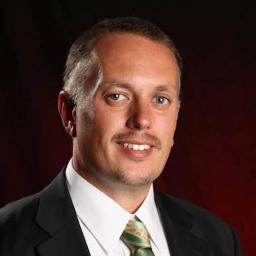
Stephen Burke is a Licensed Independent Clinical Social Worker (LICSW) with 20 years of practice in New Hampshire and Massachusetts. He works with people who struggle with relationships, parenting problems, career challenges, trauma, and anger. He also supports those dealing with adoption-related concerns and stress linked to caregiving or first responder work.
Stephen uses a client-centered way of working. Clients help set the goals and choose what to focus on. Sessions are interactive and he leans on solution-focused steps to build on what is already working.
When trauma is part of the picture, he brings trauma-focused practices into the work. That means acknowledging what happened and pacing the conversation so clients can manage strong feelings as they come up. He outlines practical steps to reduce distress and to improve daily functioning.
His style is non-judgmental and thoughtful. Meetings aim to identify clear, doable actions rather than long lists of problems. He mixes coaching with therapy when people want concrete changes in relationships, parenting, or work.
People often come for help with anger, communication problems, commitment issues, or recovery from infidelity. Stephen also supports those facing grief, addiction struggles, and self-esteem difficulties. He helps people make plans and practice new responses so old patterns change over time.
To begin he asks clients to name goals, try small experiments between sessions, and review progress regularly. That practical focus frames the work and keeps sessions aimed at measurable steps forward.
How his approaches work in online sessions
Stephen uses client-centered work online, which means the client helps set the goals and steer the sessions. This approach helps when someone wants direct support for anger, relationship strain, or parenting questions and prefers to decide the pace and focus.He also uses solution-focused techniques in remote sessions. That means identifying small, practical steps to try between meetings and measuring whether those steps help. For trauma-related concerns he applies trauma-focused methods that acknowledge past harms and introduce paced strategies so strong feelings can be handled one step at a time.
Finding the right mix of approaches is part of the process. He will collaborate with clients to choose methods that match their needs, goals, and comfort level. Together they review what works and adjust the plan as needed.
Session formats are not specified in the biography, so ask to confirm current online options before booking. Many people find online sessions helpful because they make it easier to schedule meetings around work, reduce travel time, and allow short check-ins when a full in-person visit would be hard to fit in. Online work can also make it easier to practice communication or anger-management skills in real-life settings and then discuss how those attempts went in the next session.
Areas of expertise
Primary focus
Also works with
Additional focus areas
Therapeutic approaches
Experience
20+ years
Credentials
New Hampshire, Massachusetts
Languages
English
Frequently asked questions
What kinds of concerns does he address?
He works with relationship problems, parenting issues, trauma, anger, stress, anxiety, addictions, grief, self-esteem, career concerns, and related topics.
How would you describe his therapeutic style?
He uses a client-centered approach with interactive, solution-focused sessions. The work emphasizes goals you set and practical steps to build on strengths.
How much experience does he have?
He has 20 years of clinical experience working with a range of relationship and trauma-related concerns.
What are his credentials and where is he located?
He is a LICSW licensed in New Hampshire and Massachusetts and practices from New Hampshire.
Which languages are supported in sessions?
Sessions are offered in English.
Does he work with international clients?
International clients are not currently accepted.
How does pricing work?
Cost varies with location; sessions are provided through a subscription model that can be canceled at any time.
What should I do to get started?
Select the See online therapy options button, complete a short matching questionnaire, and schedule your first session.
Online talk therapy is not emergency care, and no counselor can promise a particular result. If you might hurt yourself or someone else, call or text 988, or call 911. More urgent help