- CBT
- DBT techniques
- Solution-Focused
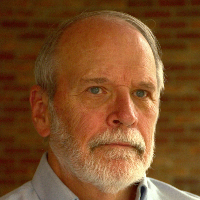
About Stephen
Stephen Drozda is a Colorado Psychologist (CO Psychologist 1255) with 49 years of experience in mental health. He has worked as a psychotherapist, psychological evaluator, administrator, and graduate-level teacher. He has practiced in outpatient clinics, hospitals, residential treatment centers, nursing facilities, and in independent practice around the Denver area.
He helps people facing stress, anxiety, depression, relationship and family problems, trauma and abuse, addictions, grief, parenting strains, anger, and issues around intimacy and self-esteem. He also supports those coping with life changes such as aging, health problems, or major losses. He uses direct, practical steps to address worries and everyday difficulties.
Dr. Drozda works mainly from cognitive behavioral and solution-focused viewpoints. He also uses techniques from dialectical behavior therapy when those tools fit the situation. In sessions he takes an active, problem-solving role and focuses on concrete skills people can use between meetings.
Sessions have been offered by video and phone in his practice. He commonly responds to client messages between sessions, usually within a day. His background includes graduate degrees in psychology, including a Ph.D. from the University of Missouri-Columbia, and three decades of practice in the Denver area.
Outside of clinical work he is married and has two children who work in the performing arts. His outside interests include travel, outdoor activities, music, and theater.
Therapeutic approaches and how online sessions fit
Dr. Drozda commonly uses cognitive behavioral therapy and solution-focused therapy in his work. Cognitive behavioral therapy helps people notice patterns of thinking and behavior that keep problems going and then practice different ways of responding. Solution-focused therapy concentrates on small, achievable changes and on building what is already working in a persons life.He also draws on dialectical behavior therapy techniques when appropriate, such as distress tolerance and emotional regulation skills to help manage strong feelings like anger. Deciding which approach to use is collaborative: the therapist and client pick methods based on the clients goals, needs, and preferences rather than forcing one style up front.
The profile notes that he has conducted many client sessions by video or phone in his practice. If you are considering online sessions, confirm the current session options before booking. Online work can make it easier to fit appointments into a busy schedule, allow a shorter check-in when time is tight, or avoid travel on a difficult day. Licensed professionals often find that video and phone sessions support consistent progress when combined with practical work between meetings.
Areas of expertise
Primary focus
Also works with
Additional focus areas
Therapeutic approaches
Experience
49+ years
Credentials
Colorado
Languages
English
Frequently asked questions
What kinds of problems does he help with?
He works with stress, anxiety, depression, relationship and family problems, trauma and abuse, addictions, grief, anger, parenting concerns, and related issues.
What is his therapeutic style?
He takes an active, problem-solving approach and focuses on practical steps and skills clients can use between sessions.
How long has he practiced?
He has 49 years of experience in the mental health field as a clinician, evaluator, administrator, and teacher.
What are his credentials and where is he based?
He is a Colorado Psychologist with the credential CO Psychologist 1255 and practices in Colorado.
Which languages are supported?
Sessions are offered in English.
Does he work with international clients?
International clients are not currently accepted.
How does his pricing work?
Cost varies with location and sessions use a subscription that can be canceled at any time.
How do I start a first session?
Select the See online therapy options button, complete a short matching questionnaire, and schedule a first session.
Online talk therapy is not emergency care, and no counselor can promise a particular result. If you might hurt yourself or someone else, call or text 988, or call 911. More urgent help