- Client-centered work
- CBT techniques
- Trauma-focused care
About Tamara
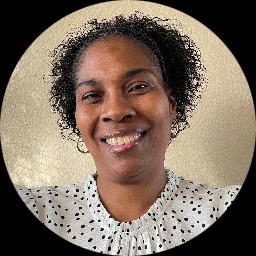
Tamara Taylor is a California LMFT with nine years of clinical experience. She helps people who are dealing with stress, anxiety, grief, trauma and abuse, anger, and depression. She also addresses related concerns like panic, mood problems, and feelings of isolation.
She works in a straightforward, person-focused way. Sessions are a place to talk through upsetting feelings and frustrating patterns. She aims for clear communication and practical steps rather than long theory talks.
Tamara uses methods that encourage active problem solving and emotional processing. She blends client-centered listening with cognitive behavioral tools to notice unhelpful thoughts and try different behaviors. Motivational interviewing and solution-focused steps are used to set small, doable goals.
When trauma and past hurts come up, she brings trauma-focused techniques into the work. That helps people process difficult memories and reduce their day-to-day impact. The goal is fewer overwhelming reactions and more control over responses.
Her background includes supporting people with attachment struggles, communication problems, guilt and shame, impulsivity, and questions about life purpose. Tamara asks direct questions and helps build practical skills. She encourages steady progress through short, achievable steps.
How her approaches translate to online work
Client-centered therapy focuses on listening and reflecting back what matters most to the person. It helps someone feel heard and clarifies personal goals for managing anger and stress. Cognitive behavioral therapy looks at the links between thoughts, feelings, and actions. It teaches practical exercises to test unhelpful thoughts and try different behaviors that reduce reactivity.Finding the right approach is part of the work. Tamara will collaborate with each person to decide which methods to try first based on goals, symptoms, and what feels manageable. That may mean using more CBT skills for angry reactions or bringing in trauma-focused work when past events continue to affect daily life.
The original biography does not specify exact session formats, so confirm the current options before booking. Online sessions can make it easier to fit therapy into a busy week, reduce travel time, or allow for shorter check-ins when schedules are tight. They also let people use practical homework between meetings, like tracking triggers and trying new responses in real situations. Licensed professionals adapt these approaches so the work stays focused and useful, even when sessions are done remotely.
Areas of expertise
Primary focus
Additional focus areas
Therapeutic approaches
Experience
9+ years
Credentials
California
Languages
English
Frequently asked questions
Which concerns does she address related to anger?
She works with anger along with stress, anxiety, grief, trauma and depression. She also helps with impulsivity, communication problems, and feelings that build into resentment.
What is her general approach in sessions?
Her style mixes client-centered listening with practical tools. She uses CBT, motivational interviewing, solution-focused steps, and trauma-focused methods where helpful.
How much clinical experience does she have?
She has nine years of professional experience working in therapeutic settings. That experience covers a range of mood, anxiety, and trauma-related concerns.
What credential does she hold and where is she based?
She is an LMFT licensed in California. Her practice and credentials are recorded for that state.
Does she offer sessions in other languages or to international clients?
Sessions are offered in English. International clients are not currently accepted.
What session formats are available?
The original biography does not list specific session formats. Confirm current session options with the booking process before scheduling.
How are costs handled for sessions?
Cost varies with location and sessions use a subscription that can be canceled at any time. Exact pricing is shown during the sign-up flow.
What do I need to do to get started?
Choose the See online therapy options button, complete a short matching questionnaire, and schedule a first session to begin.
Online talk therapy is not emergency care, and no counselor can promise a particular result. If you might hurt yourself or someone else, call or text 988, or call 911. More urgent help