- CBT techniques
- Attachment focus
- Gottman informed
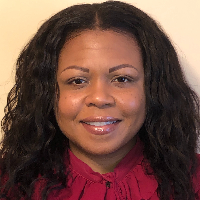
About Tiffany
Tiffany Wilson is a Licensed Marriage and Family Therapist (LMFT) in New York with 10 years of clinical experience. She helps people who are dealing with stress, anxiety, depression, grief, relationship and family strain, anger, trauma and parenting challenges.
She offers straightforward, practical work that focuses on relationships and emotion. Sessions look at how patterns between people keep problems going. Tiffany uses approaches that help people notice their reactions, try new ways of relating, and practice skills that change daily life.
Her background includes work in outpatient mental and behavioral health, day treatment, residential programs, and community-based services. That range of settings means she is familiar with different levels of care and the everyday pressures people face while managing family and work obligations.
Tiffany blends methods such as Cognitive Behavioral Therapy, Attachment-Based ideas, Emotionally-Focused techniques, and elements from the Gottman approach. She uses these tools to address problems like communication breakdowns, issues around commitment and trust, and patterns of avoidance or impulsivity.
In sessions she focuses on clear goals, skill practice, and changes people can use at home. She encourages clients to try small, manageable steps to reduce reactivity and rebuild connection. Her style aims to be collaborative, with clients helping decide which strategies to try next.
How therapeutic approaches translate to online work
Attachment-Based Therapy looks at how early and current relationships shape feelings and reactions. Online sessions using this approach help people spot patterns in how they connect and react, and then practice different responses in real time. Cognitive Behavioral Therapy focuses on the link between thoughts, feelings and behavior. In video or phone sessions CBT tools are used to identify unhelpful thinking, test new ideas, and develop concrete coping skills for anger and anxiety.Finding the right approach is part of the work. Tiffany will discuss goals, preferences, and what feels most useful, and then they will choose methods together. That collaborative decision helps keep sessions practical and relevant to everyday problems like work stress, communication breakdowns, or parenting strain.
Confirm the specific session options before booking. Depending on what is offered, online sessions can make it easier to fit therapy into a busy day, allow shorter check-ins when needed, and avoid travel time. They also let people practice new communication skills between sessions in the settings where they usually happen.
Areas of expertise
Primary focus
Also works with
Additional focus areas
Therapeutic approaches
Experience
10+ years
Credentials
New York
Languages
English
Frequently asked questions
What kinds of concerns does she address?
She works with stress, anxiety, depression, grief, relationship and family problems, trauma and anger among other issues.
What approach does she use in sessions?
She combines Cognitive Behavioral Therapy, Attachment-Based methods, Emotionally-Focused ideas and Gottman-informed work to help change patterns and reactions.
How much clinical experience does she have?
She has ten years of experience across outpatient, day treatment, residential, and community-based mental health settings.
What are her credentials and where is she based?
She is a Licensed Marriage and Family Therapist - NY LMFT - working from New York.
Which languages are sessions offered in?
Sessions are offered in English only.
Can people from other countries work with her?
She does not accept international clients at this time.
How are sessions billed and what do they cost?
Cost varies with location and sessions use a subscription that can be canceled at any time.
How do I begin working with her?
Choose the See online therapy options button, complete the short matching questionnaire, and schedule a first session.
Online talk therapy is not emergency care, and no counselor can promise a particular result. If you might hurt yourself or someone else, call or text 988, or call 911. More urgent help