- CBT strategies
- Motivational interviewing
- Solution-focused work
About Timothy
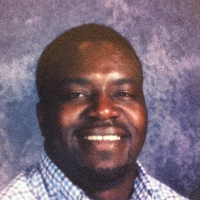
Timothy Pittman is an LCMHC (Licensed Clinical Mental Health Counselor) in North Carolina with 20 years of experience. He works with adults and adolescents around concerns such as depression, anxiety, bipolar disorder, substance use, and anger. He also addresses relationship strain, parenting stress, sleep problems, and issues tied to identity and sexuality.
He favors straightforward conversation and clear goals. Sessions focus on understanding patterns from a client's past and spotting behaviors that make things harder now. He uses practical strategies to change unhelpful thinking and actions. This often means working on specific thoughts, habits, and small behavioral experiments between sessions.
Motivational Interviewing is part of his approach for people who feel stuck or ambivalent about change. He helps people clarify what matters most to them and build motivation for next steps. Solution-Focused methods are used to map small achievable changes and measure progress in tangible ways.
Timothy also draws on Client-Centered techniques to let people set the pace and topics that matter most. He aims to build a working relationship where someone can speak frankly about shame, guilt, or trauma and move toward clearer choices. Practical skill-building is a regular part of the work.
Many clients come with overlapping issues such as addiction, grief, or problems with intimacy. Timothy often combines short-term behavioral tools with conversations about long-standing patterns. He encourages small, repeatable changes rather than sweeping promises.
How Timothy blends practical approaches for online work
Client-Centered Therapy focuses on listening and letting the person guide topics and pace. It helps when someone needs time to name feelings, build trust, and decide what to tackle first. Cognitive Behavioral Therapy (CBT) breaks problems into thoughts, feelings, and actions and teaches skills to shift unhelpful thinking and habits. CBT is commonly used for anxiety, depression, anger, and sleep problems. Choosing the right approach is a collaborative process. He will talk with the client about goals, preferences, and what has or hasn’t worked before. Together they decide whether to emphasize skill practice, motivational work, or short solution-focused steps. The practical benefits of doing this work online depend on the session formats offered. The biography does not list formats, so confirm the current options before booking. Online sessions can make it easier to fit appointments around work, reduce travel time, allow shorter check-ins when needed, and let people use written exercises or screen-sharing tools during a session. The therapist will discuss which ways of meeting best support the plan created with each client.Areas of expertise
Primary focus
Also works with
Additional focus areas
Therapeutic approaches
Experience
20+ years
Credentials
North Carolina
Languages
English
Frequently asked questions
Which concerns does he help with?
He works with stress, anxiety, depression, bipolar disorder, addictions, anger, relationship and parenting issues, sleep problems, grief, and related areas.
What is his therapy style like?
He uses a practical, goal-oriented style that combines Client-Centered conversation with cognitive and solution-focused techniques to change thinking and behavior.
How much experience does he have?
He has 20 years of experience in mental health and substance abuse work with adolescents and adults.
What are his credentials and where is he based?
He is an LCMHC - Licensed Clinical Mental Health Counselor - practicing in North Carolina.
Does he offer sessions in other languages or internationally?
Sessions are offered in English and he does not accept international clients.
What session formats are offered?
Please confirm current session formats before booking, as the biography does not specify which formats are used.
How are costs handled?
Costs vary with location and sessions use a subscription that can be canceled at any time.
How do I begin working with him?
Select the See online therapy options button, complete the short matching questionnaire, and schedule your first session.
Online talk therapy is not emergency care, and no counselor can promise a particular result. If you might hurt yourself or someone else, call or text 988, or call 911. More urgent help