- CBT approaches
- DBT skills
- Mindfulness practice
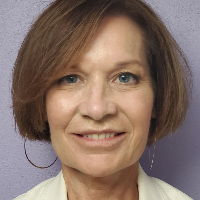
About Toni
Dr. Toni Morgan-Jones is a Wisconsin psychologist (WI Psychologist 2785-057) with 23 years of clinical experience. She works with adults facing stress, anxiety, depression, grief, relationship strain, and anger. Her practice covers common struggles like mood instability and coping with major life changes.
She has worked across outpatient clinics, county mental health services, and integrated programs such as CCS, CST, and CSP. That range includes practice in both urban centers like Madison and Milwaukee and smaller rural communities in Wisconsin. This variety informs a practical, down-to-earth approach to care.
Her sessions draw from several methods so the work fits the person. She uses client-centered techniques to listen and ground the conversation. Cognitive Behavioral Therapy, Dialectical Behavior Therapy, and mindfulness tools are used to address thinking patterns, regulation, and stress. Narrative approaches help people reframe difficult events and their meaning.
Dr. Morgan-Jones has experience supporting people affected by trauma, persistent mental illness, and complicated grief. She also addresses relationship difficulties, attachment concerns, caregiver stress, and issues like codependency or control problems. Anger and communication problems are among the common topics she helps people sort through.
In sessions she focuses on practical steps and clear strategies. People can expect help identifying patterns, practicing new skills, and testing small changes between meetings. To begin, clients follow the service's matching process and schedule an initial visit to talk about goals and next steps.
How her approaches translate to online work
Client-Centered Therapy focuses on listening and reflecting so the client can shape the work. Online sessions can use that same approach with conversation that centers the client's priorities and experiences. Cognitive Behavioral Therapy (CBT) targets specific thinking and behavior patterns; online sessions often include short worksheets, homework, and step-by-step plans to test new ways of responding. Dialectical Behavior Therapy (DBT) teaches concrete skills for emotion regulation, distress tolerance, and interpersonal effectiveness that can be rehearsed in session and practiced between meetings.Choosing an approach is collaborative. She will talk with each person about goals, what has worked before, and what feels practical. Together they decide which methods to try first and adjust the plan as progress or obstacles appear.
The original biography does not list explicit session formats, so confirm current online options before booking. Many people find online work helps fit therapy around work, caregiving, or travel; it can make short check-ins easier and reduce commute time. Some formats may be better for skill practice while others suit longer therapy talks, so discuss preferences and constraints when scheduling to make sessions fit daily life.
Areas of expertise
Primary focus
Also works with
Additional focus areas
Therapeutic approaches
Experience
23+ years
Credentials
Wisconsin
Languages
English
Frequently asked questions
What kinds of concerns does she address?
She works with stress, anxiety, depression, grief, relationship and intimacy issues, anger, and related problems such as caregiver stress and codependency.
How would you describe her therapeutic style?
Her style blends client-centered listening with practical tools from CBT, DBT, narrative methods, and mindfulness to address thinking, emotion regulation, and meaning-making.
How much experience does she have?
She has 23 years of experience in outpatient clinics, county mental health services, and integrated programs like CCS, CST, and CSP.
What are her credentials and where is she based?
She is a Wisconsin psychologist listed as WI Psychologist 2785-057 and practices in Wisconsin.
In which languages does she offer sessions?
Sessions are offered in English only.
Can international clients work with her?
International clients are not currently accepted.
What formats are used for sessions?
The biography does not specify session formats; confirm current session options before booking through the platform's scheduling flow.
How much do sessions cost and how do subscriptions work?
Cost varies with location and sessions use a subscription that can be canceled at any time; pricing details are provided during the sign-up process.
Online talk therapy is not emergency care, and no counselor can promise a particular result. If you might hurt yourself or someone else, call or text 988, or call 911. More urgent help