- Cognitive behavioral therapy
- DBT skills practice
- Practical coping tools
About Tonyamonique
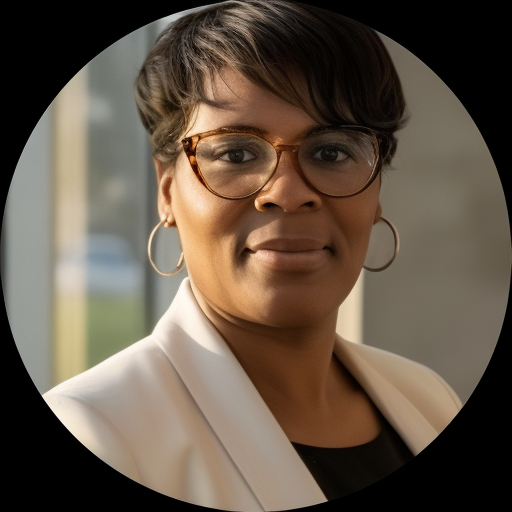
Tonyamonique Hall is a Licensed Professional Counselor (LPC) practicing in Georgia with five years of clinical experience. She trained with a master’s degree in clinical mental health counseling and rehabilitation from Thomas University and has worked in a behavioral health crisis center and within a correctional setting.
She helps people who struggle with stress, anxiety, anger, depression, addictions, trauma, and low self-esteem. She also supports people facing grief, life changes, ADHD-related challenges, and questions about purpose. Her practice includes work on communication problems, control issues, and co-morbid conditions.
Tonyamonique primarily uses cognitive behavioral therapy, but she blends other approaches to fit what a person needs. Sessions are conversational and practical. She focuses on clear skills people can use between meetings to manage strong feelings and reduce conflict.
In the room she listens and asks direct questions to help people see patterns in thoughts and actions. She uses techniques that break down problems into manageable steps. She also draws on client-centered and dialectical behavior therapy ideas to develop coping tools, improve emotional awareness, and practice new responses.
Her background in crisis work and correctional settings means she is used to high-intensity situations and practical problem solving. People who want straightforward strategies for handling anger, rebuilding trust after conflict, or reducing impulsive reactions may find this approach useful. To begin, clients follow the site process to match and schedule a first session.
How therapeutic approaches translate to online work
Client-centered therapy focuses on listening and building understanding. It centers the client's perspective, helps people clarify what matters to them, and supports self-directed change. Cognitive behavioral therapy (CBT) breaks problems into thoughts, feelings, and actions and teaches concrete tools to test and change unhelpful thinking patterns. CBT is often used for anger, anxiety, and mood concerns. Dialectical behavior therapy (DBT) emphasizes practical skills for regulating intense emotions, tolerating distress, and improving interpersonal effectiveness.Finding the best approach is collaborative. The therapist will discuss goals and try methods that match a person's needs and preferences. Together they will track what is helpful and adjust techniques if something is not working.
Session formats are not specified in the biography, so confirm current session options before booking. Online sessions can make it easier to fit therapy into a workday, reduce travel time, and allow for shorter check-ins when schedules are tight. They also let people practice skills between meetings in real life and bring specific situations into discussion without needing to recreate them in the office.
Areas of expertise
Also works with
Additional focus areas
Therapeutic approaches
Experience
5+ years
Credentials
Georgia
Languages
English
Frequently asked questions
What concerns does she help with related to anger?
She works with anger alongside stress, anxiety, trauma, addictions, depression, and related issues such as control problems and communication difficulties.
How would you describe her therapeutic style?
She favors a conversational, skills-oriented style that uses cognitive behavioral techniques and practical steps to change unhelpful thinking and behavior.
How much clinical experience does she have?
She has five years of experience and has worked in a behavioral health crisis center and in a correctional setting.
What are her credentials and location?
She is a Licensed Professional Counselor (LPC) in Georgia and holds a master's degree in clinical mental health counseling and rehabilitation from Thomas University.
Which languages are sessions offered in?
Sessions are offered in English.
Can people outside the US work with her?
She does not accept international clients at this time.
How are fees handled and what does cost look like?
Cost varies with location and sessions use a subscription that can be canceled at any time.
How do I start a first session?
Use the See online therapy options button, complete the short matching questionnaire, and schedule your first session through the site.
Online talk therapy is not emergency care, and no counselor can promise a particular result. If you might hurt yourself or someone else, call or text 988, or call 911. More urgent help