- DBT and CBT
- Mindfulness practices
- Homework optional
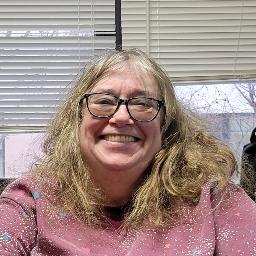
About Wendie
Wendie Vanderwater is a Licensed Clinical Social Worker (LCSW) in Montana with 22 years of experience. She works with adults who struggle with stress, anger, anxiety, relationship problems, grief, and other life changes. Her approach is straightforward and practical. She is direct and nonjudgmental in sessions.
Wendie focuses on methods that fit the person rather than a single technique. She commonly combines Dialectical Behavior Therapy (DBT) and Cognitive Behavioral Therapy (CBT) when those approaches help. Mindfulness and journaling are often used to help people notice feelings and reactions as they come up.
In sessions she asks questions to learn what each person needs. Clients decide whether they prefer homework or to focus on talk work during meetings. Wendie encourages small practical steps outside sessions, such as volunteering or joining a group, to increase activity and mood.
She uses DBT skills frequently in daily practice and finds mindfulness an important part of change. Motivational Interviewing and client-centered techniques also shape how she listens and sets goals. The emphasis is on discovering what actually helps someone manage anger, stress, and related issues.
Wendie frames problems as challenges to be worked through rather than fixed labels. She helps people recognize patterns, try new responses, and build more useful habits over time.
How Wendie uses therapy approaches online
Wendie draws heavily on Dialectical Behavior Therapy and Cognitive Behavioral Therapy. DBT teaches practical skills for managing strong emotions, improving distress tolerance, and handling conflict. It can help with anger that feels overwhelming in relationships or at work. CBT looks at the thoughts that lead to upset and offers ways to test and shift those patterns to reduce reactivity.She also integrates mindfulness to help people notice early signs of rising anger and make a different choice. Mindfulness practice often pairs with journaling or skill drills so the learning carries into daily life. Deciding which mix of approaches to use is a collaborative part of the first few sessions; she asks questions and adjusts methods to match a person’s goals and preferences.
The practical benefit of online work is fitting sessions into a busy life. Confirm the session formats she currently offers before booking. Many people find remote sessions easier to keep on a regular schedule, allow shorter check-ins when needed, and reduce travel time so therapy fits around work, caregiving, or other commitments.
Areas of expertise
Primary focus
Also works with
Additional focus areas
Therapeutic approaches
Experience
22+ years
Credentials
Montana
Languages
English
Frequently asked questions
Which anger problems does she address?
She works with anger tied to stress, relationships, grief, trauma, and life changes. Anger is listed among many concerns she helps people with.
What is her therapeutic style?
She uses a direct, honest, and nonjudgmental style. Sessions mix talk, skill practice, and optional homework based on client preference.
How much experience does she have?
She has 22 years of clinical experience working with a wide range of concerns and people.
What credential does she hold and where is she based?
She is a Montana LCSW and practices in Montana.
Does she offer sessions in other languages?
Sessions are offered in English.
Can international clients work with her?
She does not accept international clients at this time.
How are sessions scheduled and paid for?
Cost varies with location and sessions use a subscription model that can be canceled at any time.
How do I begin working with her?
Use the See online therapy options button, complete a short matching questionnaire, and schedule a first session.
Online talk therapy is not emergency care, and no counselor can promise a particular result. If you might hurt yourself or someone else, call or text 988, or call 911. More urgent help